
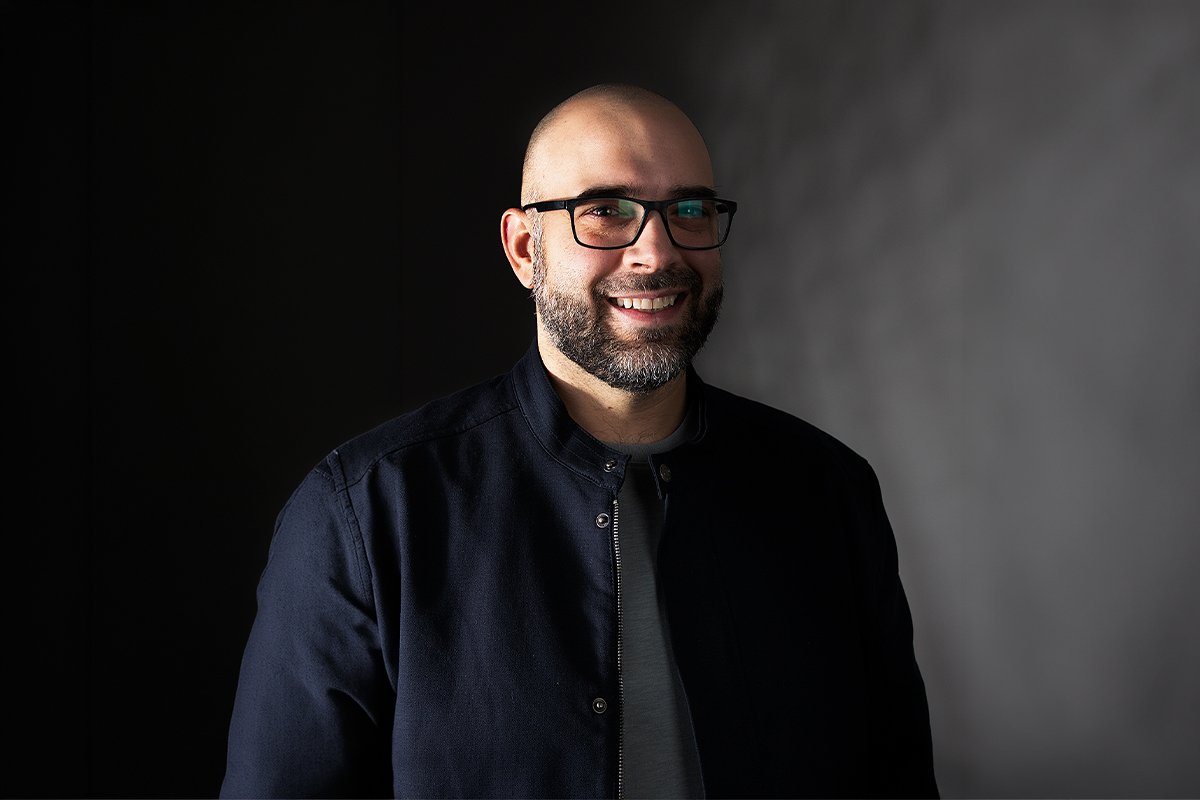
Photo: Mathieu Fortin, acclaimed children’s author, inspiring young minds through engaging science and history storytelling.
Inspiring Curiosity Through Engaging Nonfiction For Children
Mathieu Fortin discusses his journey from teaching to writing, his research process, and his passion for making science and history engaging, accessible, and inspiring for young readers worldwide.
M athieu Fortin stands as a remarkable voice in children’s literature, seamlessly blending education with imagination. With a background as a high school teacher, he has transformed his passion for explaining complex ideas into a thriving writing career that captivates young readers. His work in non-fiction—particularly in science and history—demonstrates a rare ability to make challenging subjects not only accessible but genuinely exciting.
Fortin’s books reflect both intellectual rigour and creative flair. His meticulous research process, combined with a deep understanding of how children learn, ensures that every page informs as much as it delights. Whether exploring the wonders of the world, the mysteries of space, or the age of dinosaurs, he writes with clarity, enthusiasm, and a sense of purpose that resonates with readers of all ages.
Beyond the page, his dedication extends into schools and libraries, where he actively engages with young audiences, fostering curiosity and a love of learning. In this insightful interview, Fortin shares his journey, creative philosophy, and practical wisdom for aspiring writers—offering a compelling glimpse into the mind of an author who continues to inspire the next generation.
Mathieu Fortin brilliantly transforms complex subjects into captivating narratives, inspiring curiosity, learning, and imagination in young readers through thoughtful storytelling.
What inspired you to start writing books for children and young readers about science and history?
When I started my writing career, I was a high school teacher. I’ve always loved explaining and summarizing, so writing nonfiction for children was a natural fit for me.
How do you balance making complex topics like dinosaurs and space discoveries accessible and engaging for young audiences?
I always try to use simple and precise words, in an easy-to-understand structure. I love learning, and varying the themes of my documentaries allows me to enjoy writing. I believe that young readers sense the joy I get from writing for them.
“I like to find different angles and playful ways of presenting information.” – Mathieu Fortin
Can you describe your research process when writing non-fiction books for children?
As soon as the theme is chosen, the editor and I make a list of topics we could cover in the documentary. Several versions of the list exist because the preliminary research helps to better define the important content. When we agree on 80% of the list, I start the research. The first topics take longer to work on, as I need time to find the keywords to locate the right information. I use the internet for research. I consult specialized websites on the subject and cross-check several sources to ensure the accuracy of the information. I also watch documentaries on the topic and consult a few books.
What challenges have you faced in simplifying scientific information without losing accuracy?
Some topics cannot be summarized with simple words. I then try to break down the important elements into smaller pieces of information and I use comparisons or analogies to help children understand the information.
How do you decide which topics or discoveries to include in your books?
My editor is really important for this part, because she helps me determine what would be interesting and what wouldn’t. I tend to write much more than necessary, because I like that we can then choose the right elements to keep for the book.
“Some topics cannot be summarised with simple words.” – Mathieu Fortin
What role does your experience as an entrepreneur play in your approach to writing and publishing?
I took a business start-up course because I wanted to analyze and understand how to structure my writing career to maximize my income. It was a prerequisite for launching my career as a full-time author. So, I run a business that includes writing workshops in schools, various writing services, and writing young adult novels and documentaries for younger audiences.
How do you hope your books will inspire curiosity and learning in young readers?
I want children to want to read and learn by reading my books. If they discover a subject that fascinates them, who knows how far they will go?
Can you share a memorable reaction from a reader who learned something new from your books?
This morning, a young teenager exclaimed, regarding my book on the wonders of the world: “It’s the best book I’ve ever read and it made me want to travel to see everything for real!” That’s the kind of comment that warms the heart.
What writing tips would you give to aspiring authors who want to write educational books for children?
Be curious yourself. Your desire to learn will come through in the text, and that’s what’s likely to be inspiring. Also, even if these are children’s books, the research must be rigorous.
How do you maintain creativity and originality when writing on subjects that have been widely covered?
I always try to find different angles on the information I find. I like to dig deeper to uncover different ways of presenting information, through funny and playful sentences.
What strategies would you recommend to new authors for building a following and reaching their target audience in the non-fiction children’s market?
On social media, I talk to parents and teachers, because they’re the ones who decide on book purchases. I offer workshops in schools and libraries, with activities that allow me to discuss my books in a fun way with children. I believe these are good strategies to implement.