Dr. Elaine Aron Explores the Science of Sensitivity, Meditation and the Search for Inner Peace
Dr. Elaine Aron explores spirituality, meditation, enlightenment and high sensitivity, explaining how science, inner peace and psychological growth can work together to deepen self-understanding and transform everyday life for readers.
D
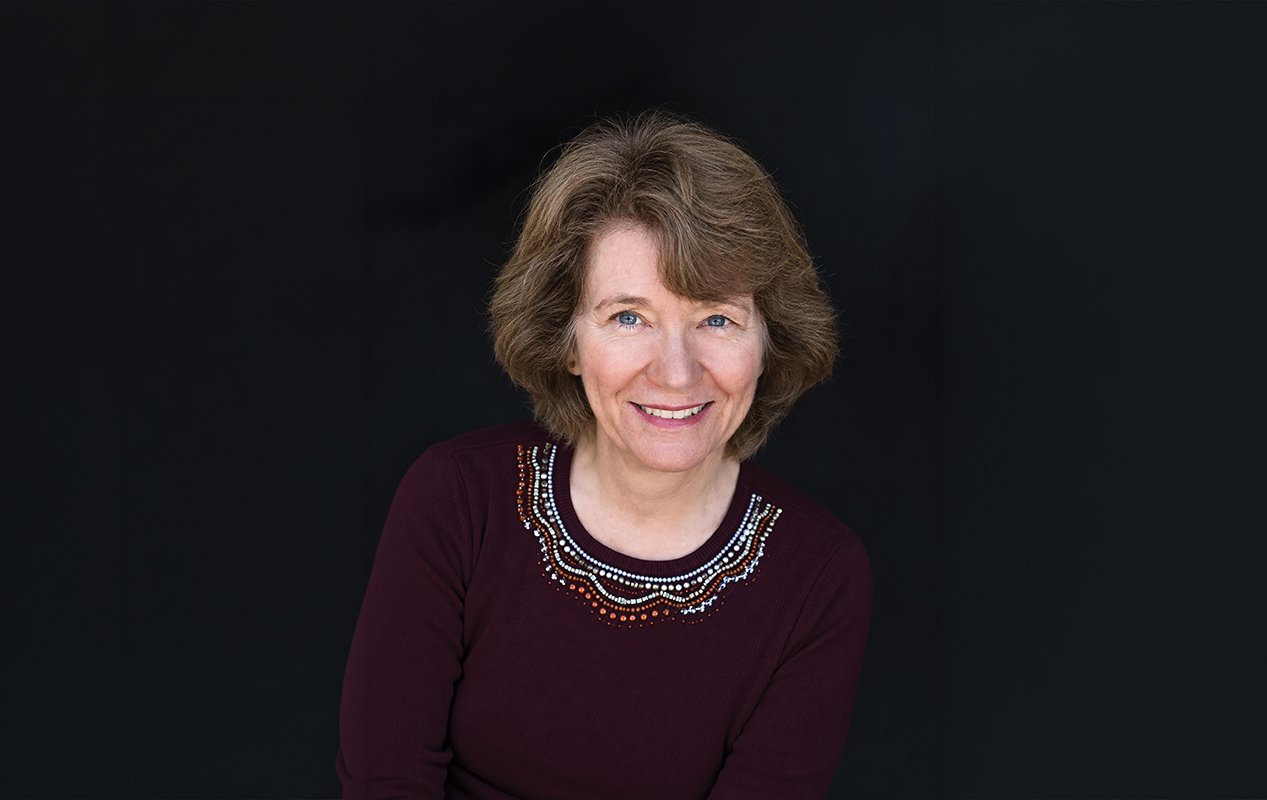
r. Elaine Aron has spent more than three decades reshaping the way we understand sensitivity, temperament, relationships and the inner life. A respected psychologist, researcher and bestselling author, she has brought academic rigour to subjects that are often discussed too loosely, giving readers language, context and confidence with which to understand themselves and others more deeply.
Best known for pioneering the study of the innate temperament trait of high sensitivity, Dr. Aron began her research in this field in 1991. Her work has since reached far beyond the boundaries of academic psychology, helping to bring the concept of the Highly Sensitive Person into mainstream conversation. Alongside her husband, Dr. Arthur Aron, she has also contributed significantly to research into love and close relationships, with their work extending into the use of functional magnetic resonance imaging to examine both sensitivity and human connection.
Her books stand out because they combine research with genuine humanity. Rather than reducing sensitivity to a label, Aron explores it as a complex and meaningful aspect of temperament, showing how it can influence relationships, work, emotional life and personal development. Her writing has given countless readers a framework through which to recognise traits they may have struggled to understand for years.
Her more recent work, including Spirituality Through a Highly Sensitive Lens, takes that curiosity into another territory. Meditation, enlightenment, spirituality and psychological development are approached not as abstract ideas, but as subjects worthy of careful examination. Aron is willing to ask difficult questions: What is enlightenment? How can different forms of meditation affect us? Can spiritual development coexist with unresolved psychological issues? And how do science and spirituality speak to one another?
That willingness to explore without abandoning intellectual discipline is one of the qualities that makes Dr. Elaine Aron such a compelling thinker and writer. Her work invites readers not simply to accept ideas, but to examine them, test them and consider what they might mean in their own lives.
In this interview with Reader’s House, Dr. Aron reflects on spirituality, meditation, enlightenment, inner peace and the different paths people may take towards greater self-understanding. It is a thoughtful conversation with an author whose work continues to challenge assumptions, expand understanding and give readers new ways of looking at themselves and the world around them.
Highlights
- Dr. Aron first encountered Transcendental Meditation during the 1960s.
- She explains why spirituality and science do not have to be in conflict.
- Her work examines meditation through scientific research as well as personal experience.
- She identifies three broad approaches to silent meditation: focused attention, open monitoring and automatic self-transcending.
- Aron distinguishes temporary spiritual experiences from what she describes as lasting enlightenment.
- She argues that inner peace does not mean eliminating strong emotions.
- Her discussion of “waking up”, “cleaning up” and “growing up” explores the difference between spiritual and psychological development.
- Childhood experiences, she explains, can continue to influence spiritual paths and unresolved psychological patterns.
- Aron encourages people to explore meditation without becoming too quickly attached to a particular teacher or organisation.
- She believes ordinary people can pursue enlightenment rather than regarding it as something reserved for spiritual masters.
- Her own meditation journey has developed gradually over many years.
- She sees self-understanding and psychological growth as important companions to spiritual practice.
- Her latest work invites readers to examine meditation and enlightenment with both openness and intellectual discipline.
How did you first connect with spirituality?
It was in the 1960s, when I learned about Transcendental Meditation. I remember having such a hunger for this kind of knowledge and experience.
What inspired you to write Spirituality Through a Highly Sensitive Lens?
I was thinking about close friends who were not meditating, or who had chosen methods that did not seem to be working for them in terms of enlightenment. Many of them also knew very little about enlightenment itself. I wanted people to understand that there are choices and different paths available.
The word “spirituality” can mean very different things to different people. How do you define it?
I actually try to avoid the word because it is so loaded. One way of defining spirituality is by contrasting it with a strictly materialist view—that our bodies and what our senses tell us are all that exist. Another modern definition might simply be whatever gives meaning to a life. Most people are spiritual in that sense, even if they are not religious.
How do you reconcile science with spirituality?
I see no inherent problem between them. I think almost anything can potentially be researched or explained scientifically, although the evidence may not always convince materialists or sceptics.
I deliberately try to maintain a scientific attitude because I want to be able to speak to people who are entirely comfortable with science and not necessarily interested in spirituality. That need not be an obstacle to meditation, awakening or enlightenment.
Your book offers an objective overview of meditation and different paths to enlightenment. What exactly is meditation?
There are many forms of meditation, and in a broad sense they all involve going inward in some way. Some may involve listening to someone, as in a guided meditation.
In the book, however, I focus particularly on eyes-closed, silent meditation. Even within that category there are different kinds, representing different ideas about how enlightenment can be reached. That is why understanding the choices is so important.
You describe three major approaches to silent meditation. What are they?
The first is focused attention or concentration. Examples include concentrating on the breath, repeating a phrase or using a Zen koan. When the mind wanders, attention is brought back. These practices are associated with Beta and Gamma brain-wave activity.
The second is open monitoring or mindfulness-based meditation, where you observe breathing, thoughts or other aspects of experience without reacting emotionally. These practices are associated with Theta activity.
The third is automatic self-transcending meditation, such as Transcendental Meditation and Christian Centering Prayer. A word or mantra becomes progressively fainter until there may be mostly pure awareness, with minimal thought. These practices are associated with Alpha 1 activity and emphasise effortlessness.
How should someone find the spiritual path or meditation practice that is right for them?
Try different approaches with an open mind. Learn about them first and then experience them for yourself.
I would also advise people not to become too quickly committed or overly attached to one teacher, class or organisation. Ultimately, it is the meditation and whether it works for you that matters, because ideally it is something you may practise for the rest of your life.
Your book discusses “waking up”, “cleaning up” and “growing up”. What do those ideas mean?
I draw here on Ken Wilber. Human beings can develop in different ways. We can improve social abilities, intellectual abilities, athletic abilities and so forth.
“Waking up” refers to developing an increasingly deep understanding or experience of the reality underlying ordinary experience.
“Cleaning up” means becoming aware of and working through our psychological complexes and unresolved issues.
A person can wake up spiritually without necessarily having cleaned up psychologically, which may help explain why some spiritual teachers have behaved badly. Conversely, someone can do enormous psychological work without awakening spiritually. “Growing up” is another aspect of human development.
You devote part of the book to examining childhood. Why is childhood relevant to spirituality?
In at least two ways. First, our backgrounds can influence the spiritual paths that appeal to us.
Second, someone may appear to be spiritually awakened and yet still have unresolved psychological problems. We may develop great inner calm while still needing to clean up parts of our personal lives.
Complexes and deeply stuck patterns often have roots in childhood, so spiritual development does not remove the need for psychological self-understanding.
What do you mean when you use the word “enlightenment”?
Enlightenment is not simply an idea, belief, attitude or temporary spiritual experience. It involves a definite and lasting shift.
There is a sense of deep inner quiet that does not go away and a sense of witnessing life from that quiet place. The self becomes less central, thoughts may decrease, and emotions often become less intense, with greater equanimity.
How can someone know whether they have experienced enlightenment?
It is important to distinguish enlightenment from an experience that begins and ends. There can certainly be glimpses, but enlightenment itself is described as a permanent shift.
You come to sense the silent, unbounded aspect of life behind thoughts, perceptions and feelings. What had been in the background seems to move into the foreground. There is usually greater equanimity, the self feels less important, and emotions tend to be less intense and more positive.
Can an ordinary person become enlightened?
Yes. I want people to realise that it is possible for ordinary people.
There seem to be several paths, so the important thing is to learn about them, choose one, try it and see what happens. Desire or motivation is important. We are still learning a great deal about how all of this works.
Eastern teachers recognised that awakening could be difficult, and obviously even in the East not everyone becomes enlightened.
You write about meditation creating a foundation of inner peace. Does that mean strong emotions disappear?
No. The aim is not necessarily to smooth out or eliminate emotion.
I think of it as developing a background or foundation of deep peace. The waves are still there on the surface, but you become increasingly identified with the calm underneath them.
The brain can remain coherent and calm while thoughts and emotions continue to occur. The brain has to be trained to do that.
How is enlightenment relevant to ordinary life and relationships?
Inner peace is enormously relevant. Our lives are filled with decisions, difficulties, turmoil and sometimes very intense feelings. We also witness divisions, hatred and violence around us.
To be able to step back from all of that and experience inner peace changes how we relate to life. From that place it becomes easier to accept other people and help them, without being so disturbed by what they do or what they might do to us.
Once someone experiences enlightenment, can they stop meditating and practising?
No. The great teachers continued to meditate. Practice can help people clean up the effects of daily stress and continue developing toward further states.
So although there is a definite shift associated with enlightenment, the unfolding does not seem to stop.
What has been most transformative in your own meditation practice?
For many years, it was having opportunities for longer periods of practice under the right circumstances.
I am still doing that, but because of those years of longer practice, I now find that I also gain a great deal from a particular teacher’s videos and live retreats.
If someone is curious about meditation or spirituality but does not know where to begin, what is one simple thing they can do today?
Perhaps begin simply by sitting quietly and allowing the mind to settle, and see how that feels.
But whether it feels comfortable or not, I would encourage people to look into learning how to meditate properly.
Finally, where can readers learn more about you and your work?
My website is HSPerson.com. There is material there about highly sensitive people as well as information connected specifically with Spirituality Through a Highly Sensitive Lens, including podcasts and blogs related to the book.
One of the best ways people can support the work is simply to tell others about the book and its attempt to provide objective information about meditation methods and enlightenment.
EDITOR’S CHOICE
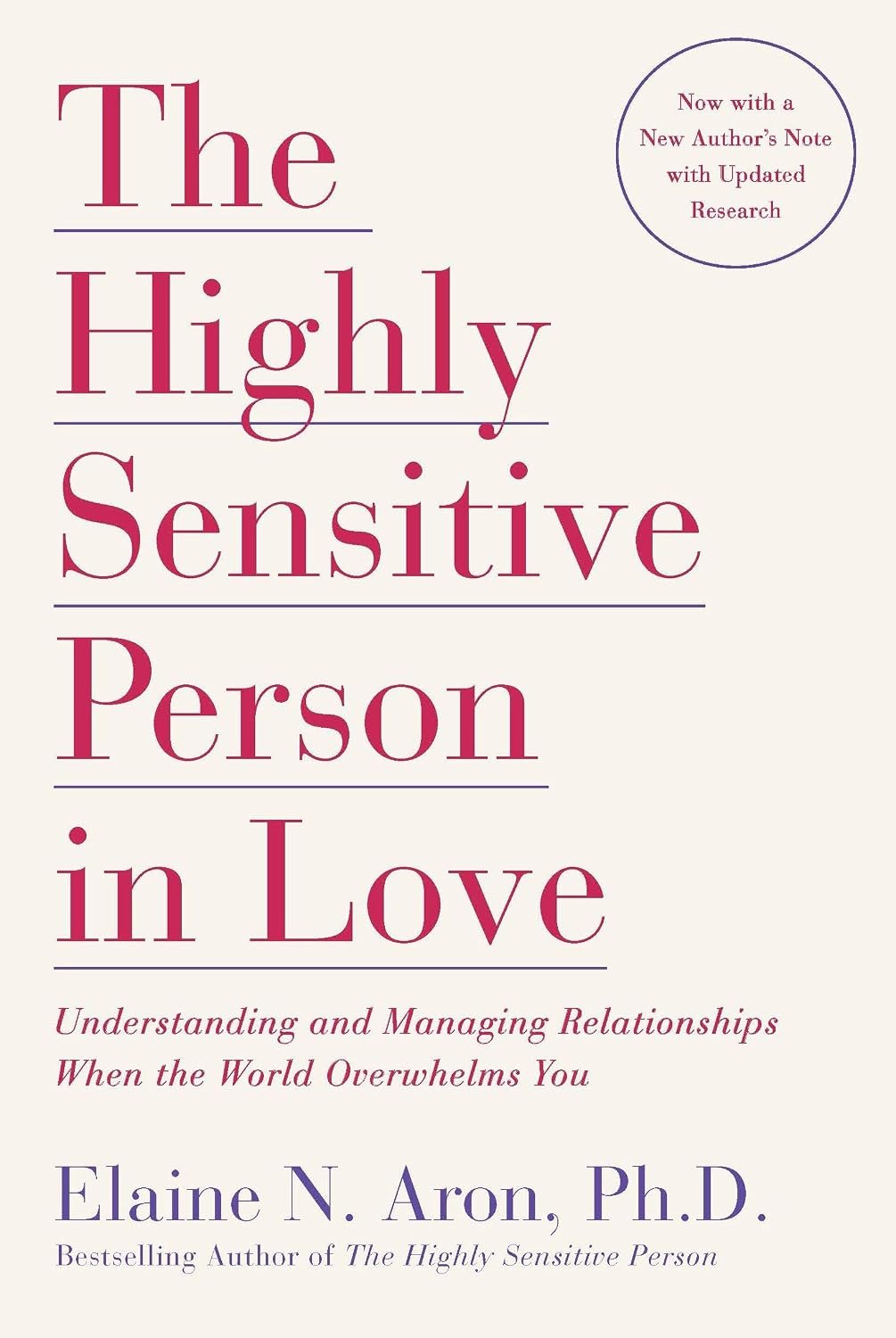
Insightful, compassionate and practical, Aron’s book transforms sensitivity from a relationship burden into a source of understanding, connection and strength.
The Highly Sensitive Person in Love explores how high sensitivity influences intimacy, communication, conflict and romantic compatibility. Elaine N. Aron draws on research into temperament and relationships to show how sensitivity can create both challenges and strengths between partners. Through practical advice, self-tests and discussion of sexuality and emotional differences, the book helps highly sensitive people and their partners understand one another better, reduce unnecessary stress and build healthier, more rewarding relationships.