
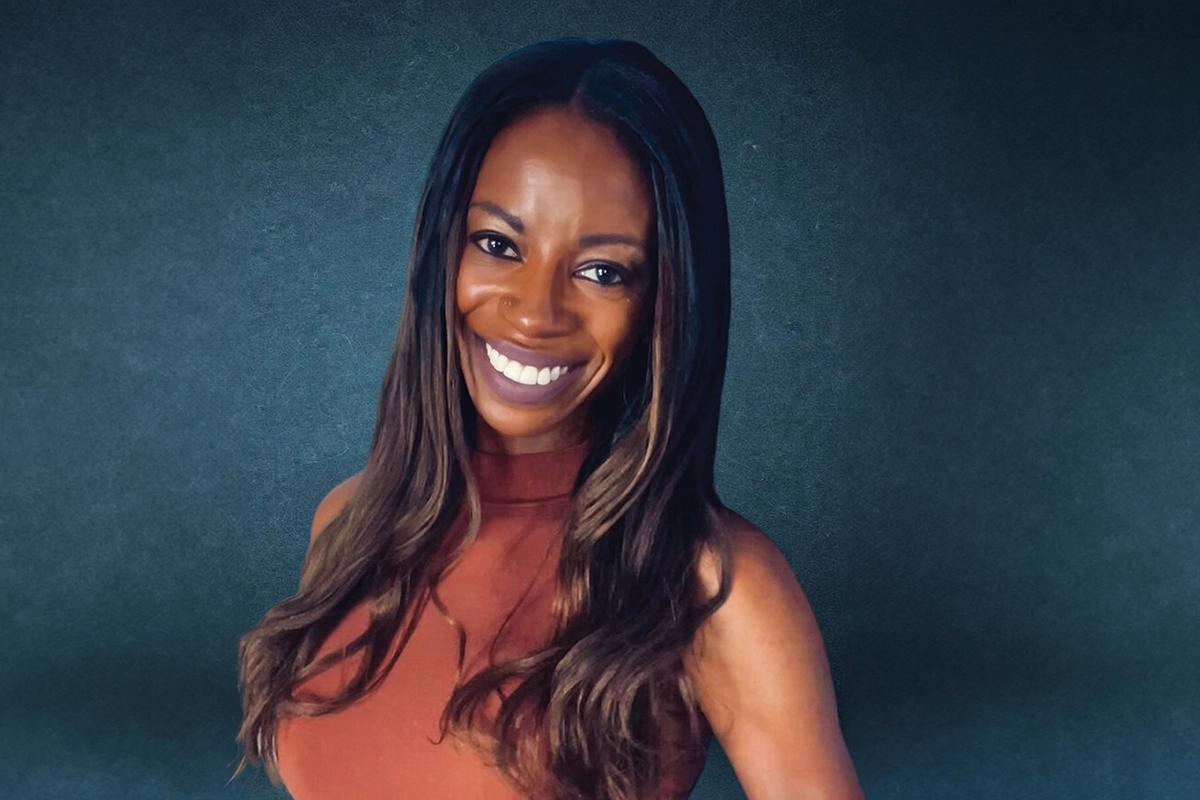
Photo: The Blakk Dahlia – A Creator Crafting Love And Heartache Into Captivating Stories That Leave Readers Inspired And Empowered.
Exploring Romance Through An Honest Lens
Author The Blakk Dahlia discusses her acclaimed series, The Heartbreak Diaries, sharing insights on heartbreak, relationships, and writing, while exploring raw emotions and inspiring readers to embrace self-growth.
The Blakk Dahlia, an enchanting voice in the world of contemporary romance literature, is an author who boldly delves into the complexities of love, heartbreak, and the human condition. With an impressive background spanning the entertainment, fashion, and literary industries, her multifaceted career lends a distinctive authenticity to her storytelling. From her early days in Macon, Georgia, to her artistic exploits in New York City, she has continuously redefined creativity across platforms, carving a name for herself as a self-published author of remarkable insight.
Her acclaimed series, The Heartbreak Diaries, reveals a masterful blend of raw emotion, nuanced characters, and a unique diary-style narrative. Titles such as Devastation or Destiny??? challenge traditional notions of romance by exploring the untold struggles, doubts, and triumphs of modern relationships. In this interview, The Blakk Dahlia invites readers behind the scenes of her creative process, candidly sharing the personal experiences and sharp observations that shape her unforgettable stories. Prepare to be inspired by her wisdom, creative resilience, and the profound way her works resonate with readers.
The Blakk Dahlia is an innovative voice in romance literature, blending raw emotion with unfiltered truth while inspiring self-growth beautifully.
What inspired you to create the Heartbreak Diaries series and what do you hope readers take away from it?
The Heartbreak Diaries series was inspired by my own experiences with dating and relationships. At the time, I was navigating more emotional hangups than I cared to admit, and I realized it was necessary to confront them, uncover the lessons within those experiences, and grow from them.
Ultimately, I want readers to feel seen and validated when they read my books. Heartbreak and relationship struggles are universal, and nothing is embarrassing about experiencing them—especially when you’ve given your all and that effort wasn’t fully appreciated. I also hope the series encourages honest, open conversations about love and loss, and reminds readers that there’s no shame in caring deeply or loving wholeheartedly.
How do you draw upon your own experiences as a model and writer to inform your characters and storylines?
My experiences with rejection in both modeling and writing have deeply influenced the way I shape my characters and their reactions to the difficult moments in dating and relationships. I’ve auditioned for countless opportunities, poured my heart and effort into them, only to be rejected—often without any explanation. That experience closely mirrors dating: you can show up as your best self and still be turned away by the person you want most.
Rather than seeing rejection as a reason to give up, I’ve learned to view it as a source of wisdom—something to carry forward into the next opportunity. That perspective is woven throughout my stories.
The characters in my books experience rejection in many forms, and as I develop their storylines, I draw from the emotions I’ve felt and the lessons I’ve learned. Those experiences help shape how my characters respond to devastating blows—how rejection changes them, sometimes for the better, and other times in more complicated ways.
“A big part of self-publishing is learning as you go, so don’t be discouraged if you don’t have all the answers.” – The Blakk Dahlia
Your books often explore themes of love, heartache, and relationships – what do you think is the most common misconception about romance?
One common misconception about romance is that love is supposed to be a perfect fairy tale. Many of us grow up with that expectation from stories and idealized portrayals of relationships. In reality, love can be messy, challenging, and even transformative.
Another misconception is that everyone who enters your life is meant to “save” you or make life automatically better. People often carry unresolved past experiences into new relationships, which can create complications. Growth and healing are possible, but not everyone is looking for the same things, and mismatched intentions can lead to conflict—and heartache.
Can you tell us about your writing process and how you develop your characters and plotlines?
My writing process varies. Sometimes a concept comes to me, and I jot it down, letting my imagination flow freely when I sit at my laptop. Other times, I take a structured approach, outlining the plot, conflict, and resolution—especially helpful during writer’s block.
When developing characters, I draw from real-life experiences, past relationships, and dating encounters, shaping personalities from traits I’ve observed. I also incorporate parts of myself—my mindset, strengths, naivety, and flaws—adding or adjusting qualities as needed to create authentic, well-rounded characters that fit naturally within the storylines.
“Not all negative feedback should be taken personally—just because a book isn’t someone’s cup of tea doesn’t mean my writing as a whole is flawed.” – The Blakk Dahlia
How do you balance the romance and suspense elements in your stories to keep readers engaged?
Relationship drama naturally carries a sense of suspense, and I lean into that when balancing romance and tension in my stories. I draw from the emotional uncertainty that often exists within romantic relationships and heighten it with just enough drama to keep readers invested and entertained.
Suspense doesn’t always have to involve something scary or extreme—it can live in subtle moments and unexpected shifts. One moment, the characters are deeply in love, and the next, a significant other suddenly changes their mind. From there, I focus on how the characters respond to that emotional whiplash—how they process rejection, heartbreak, or the moment when the other shoe drops. Those reactions are where the suspense deepens, and the story truly unfolds.
What do you think sets your series apart from other romance novels and what do you hope to achieve with your writing?
What sets my series apart is my commitment to portraying the real, often unspoken aspects of relationships. I approach these stories from an honest perspective that isn’t always explored in traditional romance. For example, in Devastation or Destiny???, the main character is hesitant about marriage because of what she fears she may have to give up—both in her career and her lifestyle. That’s a very real concern for many women, yet it’s rarely discussed, as society often teaches us that marriage should always be the ultimate goal, regardless of personal ambition or professional fulfillment.
Throughout my books, I intentionally explore these “unpopular” or uncomfortable viewpoints, allowing the characters to experience the consequences—whether positive or negative—of their choices.
Lastly, each story is written as a first-hand, “Dear Diary”–style account, giving readers direct access to the characters’ emotions and thought processes. This intimate approach allows readers to deeply connect with the characters or, at the very least, gain a genuine understanding of where they’re coming from.
“Rather than seeing rejection as a reason to give up, I’ve learned to view it as a source of wisdom.” – The Blakk Dahlia
How do you handle criticism or negative feedback from readers and do you think it has an impact on your writing?
I take what’s useful from criticism and leave the rest behind. Not all negative feedback should be taken personally—just because a book isn’t someone’s cup of tea doesn’t mean my writing as a whole is flawed. I’ve learned to separate personal preference from constructive insight.
Constructive criticism, in particular, has a positive impact on my writing. It helps me understand how readers interpret my words and perspectives, which allows me to grow as a storyteller. By applying that feedback, I can strengthen my writing so readers aren’t just seeing words on a page, but are fully immersed in the emotions, experiences, and scenarios I’m creating.
What advice would you give to aspiring authors who are looking to self-publish their own romance novels and build a successful writing career?
A big part of self-publishing is learning as you go, so don’t be discouraged if you don’t have all the answers. Without an agency or team guiding you, it can feel overwhelming, but patience and trust in the process are key—and don’t forget to enjoy it.
Writing and self-publishing a book is a major accomplishment, and every step deserves to be celebrated: finishing the manuscript, formatting for publishing platforms, finalizing the cover—each milestone is worth recognition. I personally celebrate each release with a vacation to honor the hard work.
Finally, surround yourself with people who genuinely support your craft. Their encouragement will keep you grounded, motivated, and moving forward when the journey gets challenging.