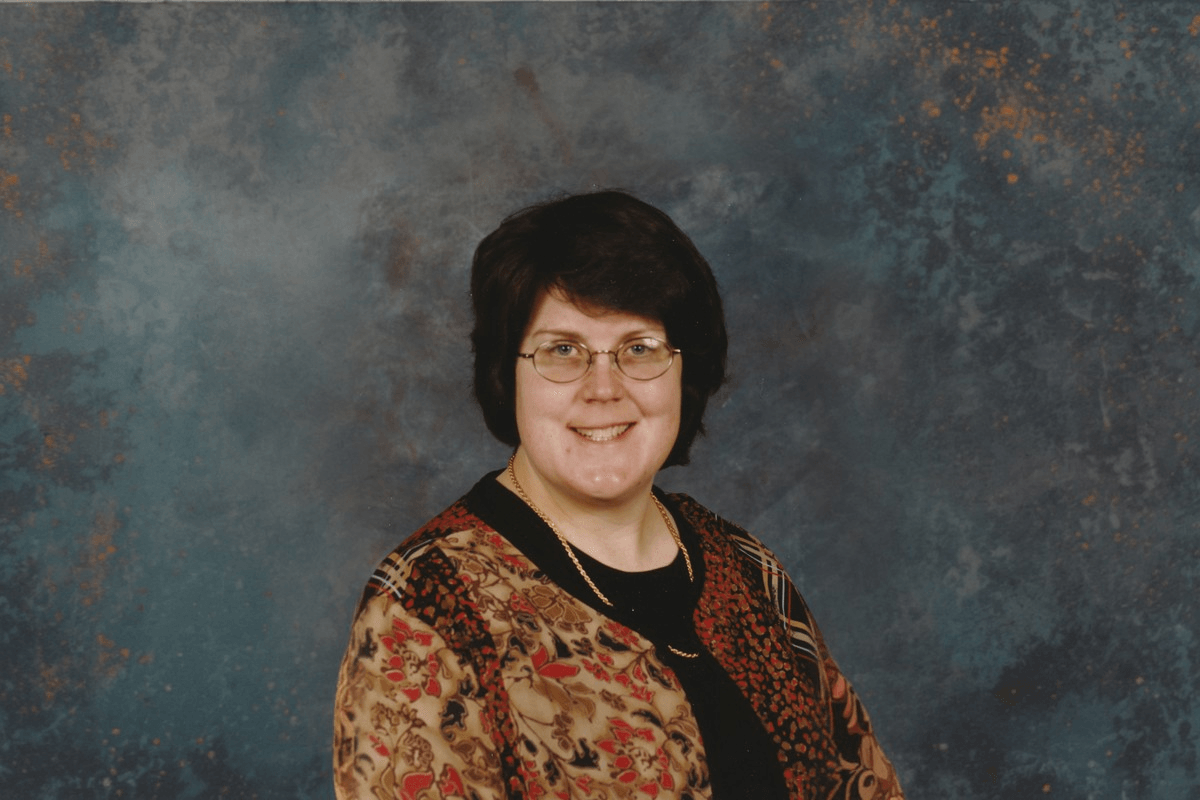
PHOTO: Stephanie Suesan Smith in her element, surrounded by the lush greenery of a flourishing garden.
Insights Into Gardening, Psychology, And Empowering Communities
Stephanie Suesan Smith discusses her journey as a master gardener, blending academic knowledge with hands-on experience to inspire others to grow food, foster resilience, and embrace the holistic rewards of gardening.
Stephanie Suesan Smith has long understood the transformative power of nurturing both the soil and the soul. A master gardener since 2001, her journey into horticulture was enriched by her academic foundation in psychology, culminating in a Ph.D. This fascinating intersection of mind and nature is at the heart of her philosophy: gardening is not merely about plants but about resilience, healing, and reclaiming autonomy—particularly in communities burdened by scarcity. With every lesson she shares, there’s an underlying intention to empower others with the tools to coax life from the earth and, in doing so, feed not only bodies but spirits as well.
Her approach to gardening resonates with both precision and warmth. As she translates years of experience into actionable advice, she avoids the pitfalls of oversimplified, generic guidance. Instead, Smith grounds her writing in the realities of climate, soil, and the unpredictability of nature. Whether mapping out the essential steps of raised-bed gardening or diagnosing the eccentric behaviours of wayward tomatoes, she writes with a clarity that opens the door for gardeners of every skill level. Yet, beneath the technical explanations is a voice that gently reminds her audience: to nurture a plant is to embrace patience and imperfection.
At the heart of Smith’s work lies a commitment to education. Through downloadable guides, digital tools, and engaging blog content, she bridges the technical and the personal, offering solutions steeped in scientific rigour while maintaining an inviting, conversational accessibility. Her emphasis on the pragmatic ensures her words take root in her readers’ gardens and lives alike, cultivating confidence even amidst the challenges of pests, drought, or hesitant green thumbs. Stephanie Suesan Smith is, above all, a guide—one who understands that mastery comes not from avoiding failure, but from embracing it as a step towards growth.
Stephanie Suesan Smith masterfully bridges science and accessibility, offering invaluable advice that fosters health, empowerment, and sustainable gardening practices.
You describe yourself as a “Master Gardener since 2001” and hold a Ph D in psychology, so how did your academic background inform your journey into gardening and garden-writing?
Gardening grounds me and helps my mental health. I realized that horticulture therapy, or growing plants, was much more powerful than I thought. Stress from low funds and the fear of hunger, as well as an unhealthy diet, contribute a great deal to both physical and mental health problems for many people. I am able to help by teaching people to grow their own food. I feel I can make the most difference in the world by teaching people, especially those who live in food deserts, to regain sovereignty over their own food.
On your site (All About Growing Guides) you emphasize practical, region-tailored advice rather than generic tips. How do you approach adapting gardening guidance for specific climates and soils, and what challenges have you found in doing so?
The challenge is that there are so many variations in our climate. Even if you just look at Texas, you have everything from subtropical vegetation in the Rio Grande Valley to the high deserts in the Panhandle.
While I discuss the planting dates and varieties of vegetables that grow where I live, in North Central Texas, the basics of how to plant, how to fertilize, and how to water remain the same. What changes is the time of year particular crops are planted and the varieties of those crops that grow best where you live. You can get that information from your Extension Agent or local nursery.
“Be the best version of yourself you can every day. That means being true to yourself even if it means you have to work harder.” – Stephanie Suesan Smith
You have written detailed guides (on vegetables, pests, raised beds, etc). What’s your process for turning hands-on gardening experience into clear, user-friendly content — from first idea through research, writing and publication?
There are a limited number of vegetables that are commonly grown in North America. Growing those starts my mind thinking about things people need to know to replicate my success or avoid my failure. I have been gardening a long time. However, new cultivars and techniques are constantly being developed. I refer to Extension publications and peer reviewed research to learn about the latest techniques, such as grafting tomatoes. I make sure that the way I do things is still the best way, and then write from my experience.
From your early gardening experiences (you mention helping your dad plant onions, etc) to now producing downloadable guides and blog articles: what has been the biggest shift in your mindset about what success means in a garden?
I have realized that failure is an integral part of gardening. If you are too afraid of failure, you won’t try new things. I tell myself I have lots of seeds, lots of plants, and lots of time, so I can afford to try something and see if it works. If I fail, I may learn to tweak something to succeed later or may learn something isn’t worth the trouble. Since Mother Nature is in charge of the weather, you have to learn you don’t control everything.
“I guard my energy carefully… I don’t really have time for creative blocks, but when I have trouble thinking of how to write about something, I go back and do more research.” – Stephanie Suesan Smith
Many gardeners struggle with common pitfalls (weeds, pests, weather extremes). What is one “mistake” you see repeatedly in inexperienced gardeners, and how do you suggest they pivot to turn that into learning?
I see overwatering and over fertilizing the most. People want their plants to have everything they need to grow well. They don’t realize that just like too much water and food can make a person sick, too much water and fertilizer can make a plant sick. I suggest using an inexpensive moisture meter to give the feedback they need to water properly. I also recommend following the directions on the fertilizer package to avoid over fertilizing plants.
In your writing you bridge technical knowledge (entomology, soil pH, plant physiology) and everyday language. How do you strike the balance between being scientifically accurate and being approachable to a general readership?
I have to remember that not everyone knows what words like cultivar and pH mean and their importance. I make sure I define new words the first time I use them so I can use the proper terms for things and be precise. Learning the language of plants is a big part of gardening.
“Lists help when things go wrong… Looking at your checklist and seeing you are on target really reassures people the waiting is worth it.” – Stephanie Suesan Smith
You also offer downloadable planners, check-lists and “what works” resources. How do you view the role of digital tools in helping gardeners stay consistent and motivated through a full season?
Lists help when things go wrong. If a plant is looking poorly, it helps to have a document or app that can guide you when diagnosing the cause of the problem and how to fix it. A large part of gardening is waiting. Waiting for plants to grow, waiting to see if this will be a good growing year, and waiting for harvest. Looking at your checklist and seeing you are on target really reassures people the waiting is worth it.
Looking ahead, are there any emerging trends in home gardening (urban agriculture, climate-resilient crops, permaculture) that particularly excite you — and how might authors and content-creators in the gardening space respond to those?
Last year, the first GMO crop was sold directly to home gardeners in the United States. It was a purple tomato and the seed producer that developed it sold it directly to gardeners. I am concerned about GMO crops and am looking forward to seeing how the gardeners do with this.
I am encouraged about a return to permaculture and processes that are kinder to the earth. I think authors and content creators should encourage that return. Urban agriculture will have to become the norm in the future because that is where the people are. There are fewer and fewer farmers that can afford to farm land in rural areas. Both community gardens, what you call allotments, and hydroponics are going to be where most food grows in the future because they use the space more efficiently than traditional farms.
You wear several hats — writer, educator, gardener, content creator. How do you manage the time, focus and creative energy required for each, and what do you do when you hit a creative block?
Well, I guard my energy carefully. I am a morning person and go outside at dawn to garden before the heat gets unbearable. I sit at my computer from about 7-11:30 in the morning reading research, writing, and doing the administrative stuff, then speak at noon or in the afternoon. I use the afternoons I don’t speak to rest and recharge, then go to bed early. I don’t really have time for creative blocks, but when I have trouble thinking of how to write about something, I go back and do more research.
For other authors and content-creators (whether in gardening or another niche): what one piece of advice would you give them for building a trusted brand, staying relevant over time, and turning expertise into content that both converts and genuinely serves readers?
Be the best version of yourself you can every day. That means being true to yourself even if it means you have to work harder. Once your reputation is damaged, it is a lot harder to fix than to maintain it in the first place.
EDITOR’S CHOICE
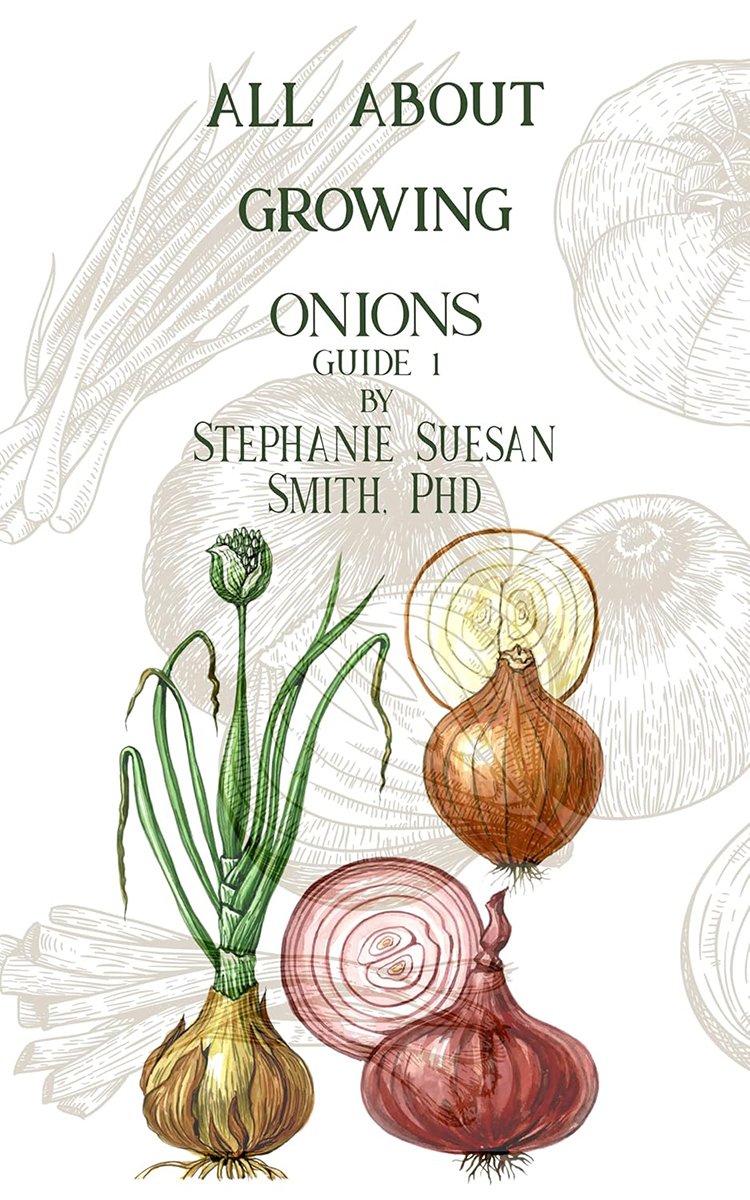
Expertly written, concise, and highly practical, this guide offers invaluable advice for growing robust, flavourful onions with confidence and ease.