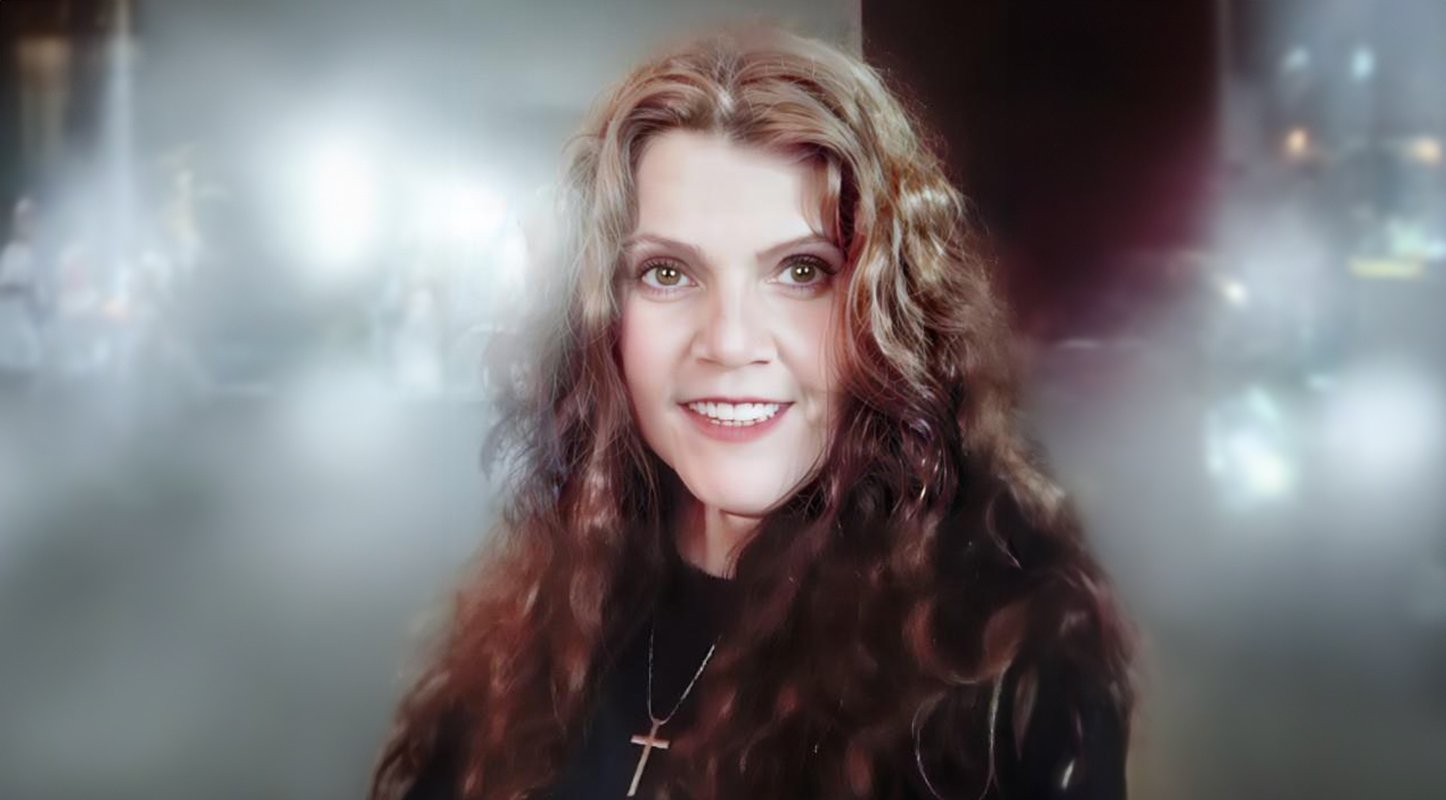
Award-winning author Lisa Lachapelle, whose spiritually inspired storytelling blends poetry, imagination, and emotional insight.
Lisa Lachapelle Transcends Genres
Award-winning author Lisa Lachapelle discusses her spiritually inspired creative process, daily poetry practice, genre-blending storytelling, and belief that literature can awaken reflection, emotional connection, and inner peace in readers.
L isa Lachapelle is a writer whose work stands at the intersection of spirituality, imagination, and emotional resonance, crafting literature that seeks not merely to entertain but to transform. In an interview originally published by Mosaic Digest, the award-winning author and spiritualist reflects on her creative philosophy, her genre-defying catalogue, and the deeper purpose she believes storytelling can serve.
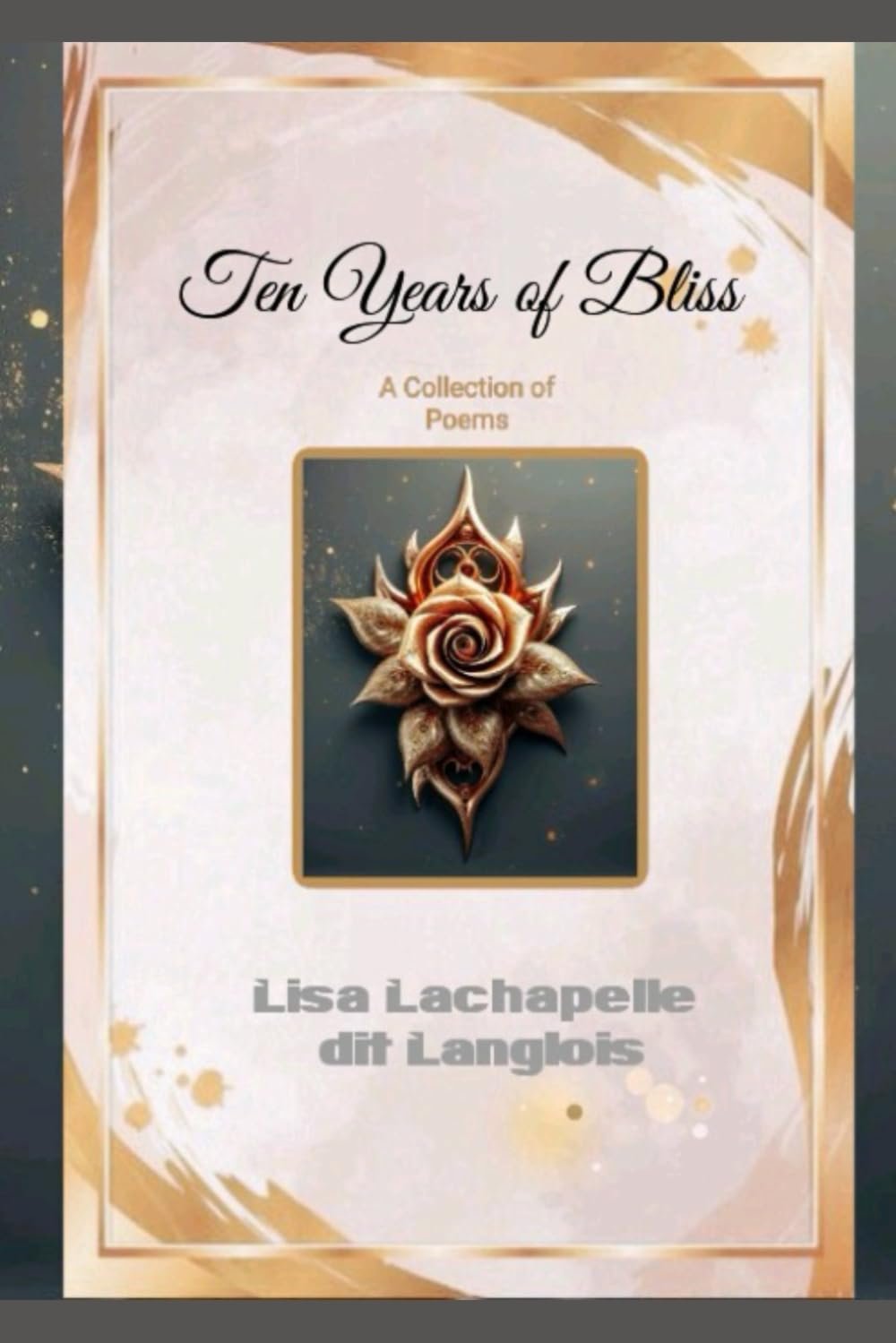
Across ten published books spanning poetry, short fiction, and visionary narratives, Lachapelle has built a reputation for blending the metaphysical with recognisable human experience. Her titles range from the expansive poetry collection Ten Years of Bliss, A Collection of 300 Poems to imaginative works such as Small Tales and Visits to Heaven XI Edition, Alien Love Stories, and Time Tells No Tale. Yet regardless of form, she explains that each piece begins with a central theme — often love, spirit, or human nature — before evolving organically. Rather than imposing structure at the outset, she allows the concept to unfold naturally, shaping itself into a poem, story, or novella depending on its needs.
Lisa Lachapelle captivates readers with profound insight, creative mastery, and spiritual storytelling that transforms, uplifts, and deeply connects across genres.
For Lachapelle, poetry is the most instinctive of all forms. She writes daily, describing the act as something akin to breathing. Editing is rare because she views creativity as a direct flow of inspiration once she has centred herself mentally. This immediacy reflects her belief that writing is a spiritual practice, one capable of fostering peace both for the author and the reader. If a reader discovers a sense of calm or insight within her words, she considers the work successful.
Highlights
- Lisa Lachapelle has published ten books spanning poetry, short fiction, and visionary storytelling.
- Her work blends spirituality, imagination, and emotional truth across genres.
- Poetry is her most natural form; she writes daily and rarely edits.
- She views writing as a spiritual practice similar to meditation.
- Many of her works explore themes of love, human nature, and higher awareness.
- Her style is often described as stream-of-consciousness, similar to active meditation.
- She strives to make mystical themes accessible to all readers, not just spiritual audiences.
- Lachapelle says she has never experienced writer’s block.
- Meditation, prayer, and walking help sustain her creative flow.
- Her ultimate goal is to transform readers through storytelling.
Her style has been described as stream-of-consciousness, a comparison some readers have linked to James Joyce. Lachapelle herself sees the technique less as a literary device and more as a natural mental state — “active meditation”, as she characterises it — in which ideas arise freely from what she calls a higher level of awareness. She does not plot such passages in advance; instead, she allows them to emerge spontaneously, trusting that meaning will surface within the flow.
“Writing is a spiritual practice that can bring peace to both writer and reader.”
– Lisa Lachapelle
This intuitive approach also shapes how she balances mystical subject matter with grounded human emotion. While writing Small Tales and Visits to Heaven, she sought to depict spiritual experiences in a way that would remain accessible to a broad audience rather than only to readers already interested in metaphysics. By weaving symbolic imagery with recognisable fears, relationships, and personal reflections, she aimed to create stories that feel both otherworldly and emotionally authentic. In some cases she even created fictional stand-ins for herself, enabling a degree of narrative objectivity when recounting events drawn from personal experience.
“Poetry is as natural to me as breathing.”
– Lisa Lachapelle
Genre boundaries, she says, matter far less than emotional truth. When writing Alien Love Stories, for example, she focused on the dynamics of relationships rather than conventional science-fiction spectacle. Likewise, Time Tells No Tale draws upon psychic readings yet incorporates fictional elements to fill narrative gaps. Her guiding principle is simple: follow the story’s instincts rather than the rules of classification.
Despite her prolific output, Lachapelle claims she has never experienced writer’s block. Meditation, prayer, and short walks help sustain her creative energy, but above all she credits an inner drive that makes it difficult for her to stop writing at all. Recognition for her poetry has strengthened her resolve to expand her publishing opportunities, though she insists that awards have not altered her process or priorities.
Underlying all her work is a consistent aim: transformation. She regards literature as a means of sharing personal journeys and insights, believing that storytelling can awaken reflection or even spiritual awareness in readers. Messages from readers who feel deeply moved by her writing represent, in her view, the highest form of praise.
Looking ahead, Lachapelle expects publishing to evolve through widening independent circles while still valuing traditional routes. For emerging writers, her advice is characteristically bold: experiment freely, begin stories in unconventional places, and trust that an authentic voice will attract its audience.
EDITOR’S CHOICE
Beautifully written poetry collection capturing ten years of emotion, reflection and creativity. Lisa A. Lachapelle’s voice is thoughtful, authentic and inspiring.
Ten Years of Bliss: A Compilation of Ten Years of Poems by Lisa A. Lachapelle is a thoughtful and engaging collection that reflects a decade of poetic expression. Written in an accessible freestyle style, the poems explore emotion, reflection and the quiet beauty found in everyday life. Lachapelle’s language is simple yet expressive, allowing readers to connect easily with the feelings behind each piece.
The collection also includes several previously unpublished poems, offering fresh insight into the author’s creative journey. Lachapelle’s early poetic recognition in editions connected with the Library of Congress highlights the strength of her voice. Overall, this is a warm and reflective collection that poetry lovers will find both enjoyable and meaningful.