
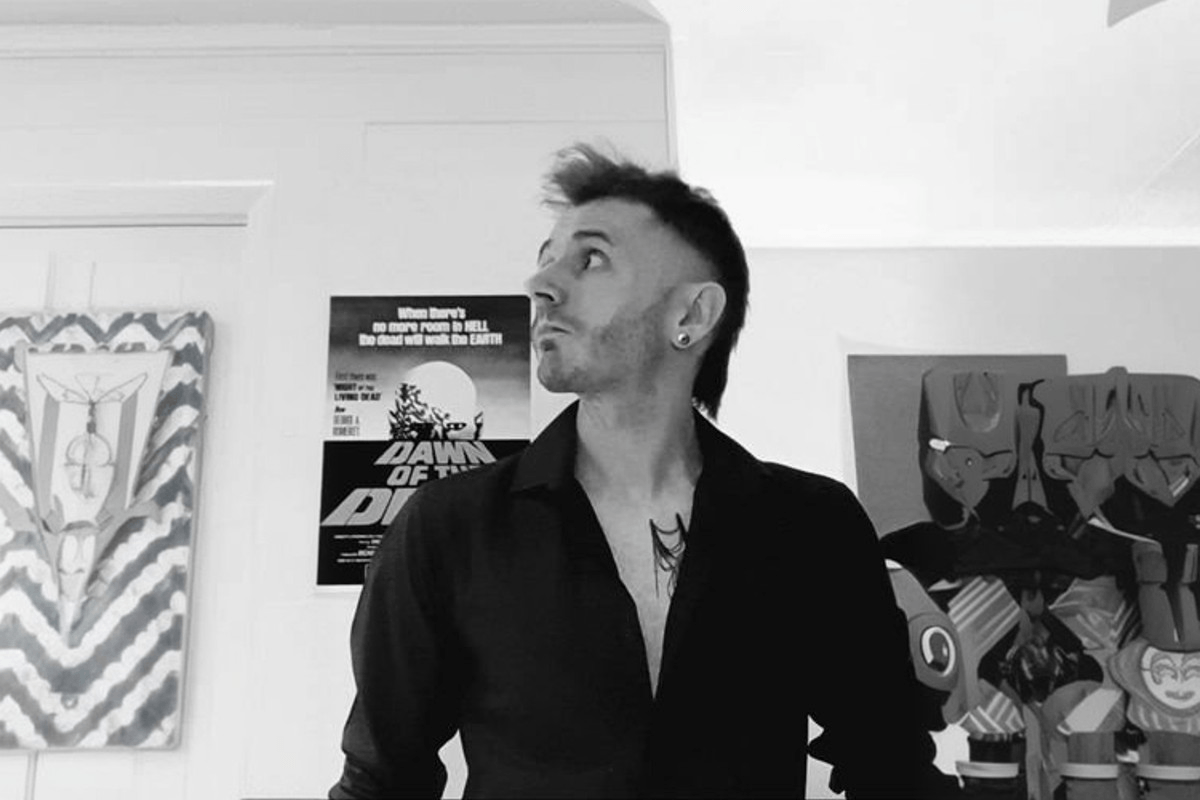
Photo`; J.S. Morton: Celebrated author, master of dark comedy, and advocate for second chances.
From Shadows To Second Chances
J.S. Morton delves into crafting anti-heroes, balancing humour with deep themes, exploring dystopias, and finding second chances, blending dark comedy with thrilling narratives inspired by his eclectic passions.
J.S. Morton, a true master of darkly comedic fiction, has carved his place in contemporary literature with a distinctive voice that blends razor-sharp humour and deep psychological insight. Known for his award-winning bestseller You’re Gone, Morton takes readers on a daring journey through grief, morality, and the hidden recesses of the human psyche, earning accolades such as a Red Ribbon in the Wishing Shelf Book Competition and praise from Kirkus Reviews. His works, which include Arthur, a gripping sequel to You’re Gone, and the introspective thriller Tabula Rasa, showcase his ability to balance suspense and relatability in equal measure.
Morton’s writing captures the unpredictability of life while unflinchingly exploring its imperfections. His protagonists, like the unforgettable Arthur Norman—a widower and, astonishingly, a serial killer—are crafted with such complexity that readers find themselves both horrified and deeply empathetic, wrestling with the dualities that define our very nature. A stroke survivor, Morton brings his profound understanding of mortality and the resilience of the human spirit into his narratives, as seen in gripping works like The Isle of Ember.
Drawing inspiration from his eclectic personal passions—punk rock, motorsports, cinema, and even snowfall—Morton infuses his stories with authenticity and thrilling energy. A lover of dystopian worlds like those found in 1984 and The Handmaid’s Tale, his meticulous prose often reflects the pressing anxieties of modern life. Yet his unwavering belief in second chances adds a note of hope that resonates profoundly through his storytelling.
In this exclusive interview, Morton delves into the inspirations behind his characters, the impact of his varied interests on his creative process, and his ability to balance darkness with levity. With nearly a decade of writing experience and a growing shelf of critically acclaimed titles, J.S. Morton is proof that it’s never too late to embrace reinvention and achieve one’s dreams. We are thrilled to feature his insights in Reader’s House and invite you to explore the extraordinary mind behind the books that challenge, entertain, and move us in equal measure.
J.S. Morton’s extraordinary storytelling pushes boundaries, blending wit and intensity, making him a singular voice in contemporary fiction.
What draws you to create protagonists like Arthur Norman, who manage to be both sympathetic friends and serial killers?
I think we all like an anti-hero; there is one in all of us. I think the duality of characters like Arthur Norman really draws people in. Do you sympathise with him, do you hate him, do you like him? It creates an interesting dilemma within the reader’s mind.
Your bio mentions a love for punk rock; does the ethos or energy of that music influence the rebellious nature of characters like ‘The Old Wolf’?
Absolutely, I have gone against the grain my whole life. The Old Wolf lives life on his terms, and I think, if we’re being honest, we’d all like to do that. Punk rock taught me a lot about politics and what’s right and wrong, so it’s been a helpful outlet.
Given your appreciation for ‘1984’ and ‘The Handmaid’s Tale’, how do you feel dystopian themes filter into your own writing, even when it’s set in the present day?
Wait! Are there no dystopian themes relevant today? I mean, people are living month-to-month while others have money they’ll never be able to spend, and with smartphones, we allow the Orwellian television screen to sit in our pockets all day long. 1984 and The Handmaid’s Tale were prescient books, and sometimes I have to limit my interactions with them because they are a little on the nose. I am actually in the process of writing a dystopia, so they fit right in.
You tackle real-life issues and human psychology through dark comedy. How do you find the correct balance between the humour and the underlying serious themes, like grief in ‘You’re Gone’?
I think if you’ve ever experienced a level of trauma, you find that humour is a very effective coping mechanism. Balancing dark humour and the serious underlying themes does come easily to me, but I do have a team of able-minded friends who will make sure I don’t cross any lines.
‘The Isle of Ember’ pairs a detective investigating a murder with the fact he is facing his own impending death. What inspired this particular dual narrative of mortality?
I am a stroke survivor; I’ve been placed right in the crosshairs of death before, and it is hard enough to move on with your life once you’ve been through that. I think, for Harry, he has the case of his lifetime, but his lifetime is due to end. I think it’s the ‘what ifs’ that inspired that. What if everything you’ve ever wanted comes along right before your life culminates?
Your belief that “it is never too late in life to start again” is very hopeful. How do you explore this belief in characters who are often defined by violent pasts?
It is never too late to start again. Ten years ago, I’d never written a book; now I have nearly ten. It happens. A lot of people are defined by things from the past; our formative years are a difficult time, and it can be hard to break free from shackles and conditioning from years and people gone by. But it can be done.
From motorsports and cinema to snow, your interests are varied. Do these personal passions ever provide unexpected sparks of inspiration for plot points or character traits?
Yes. Absolutely. I tend to think you should write about what you know. Unlike John Grisham, I know nothing about the Law, so I dig into my brain and find the things I do know. Then I write about them.
What is the most crucial piece of advice you would offer to other authors who wish to write dark comedy successfully?
You need to get the pacing right! Without that, your dark comedy just won’t land. If you’re writing in the first person (which I’d recommend), then make sure you stay away from writing ‘I, I, I’ too much. But really, I think it is all about the pace and the delivery.