
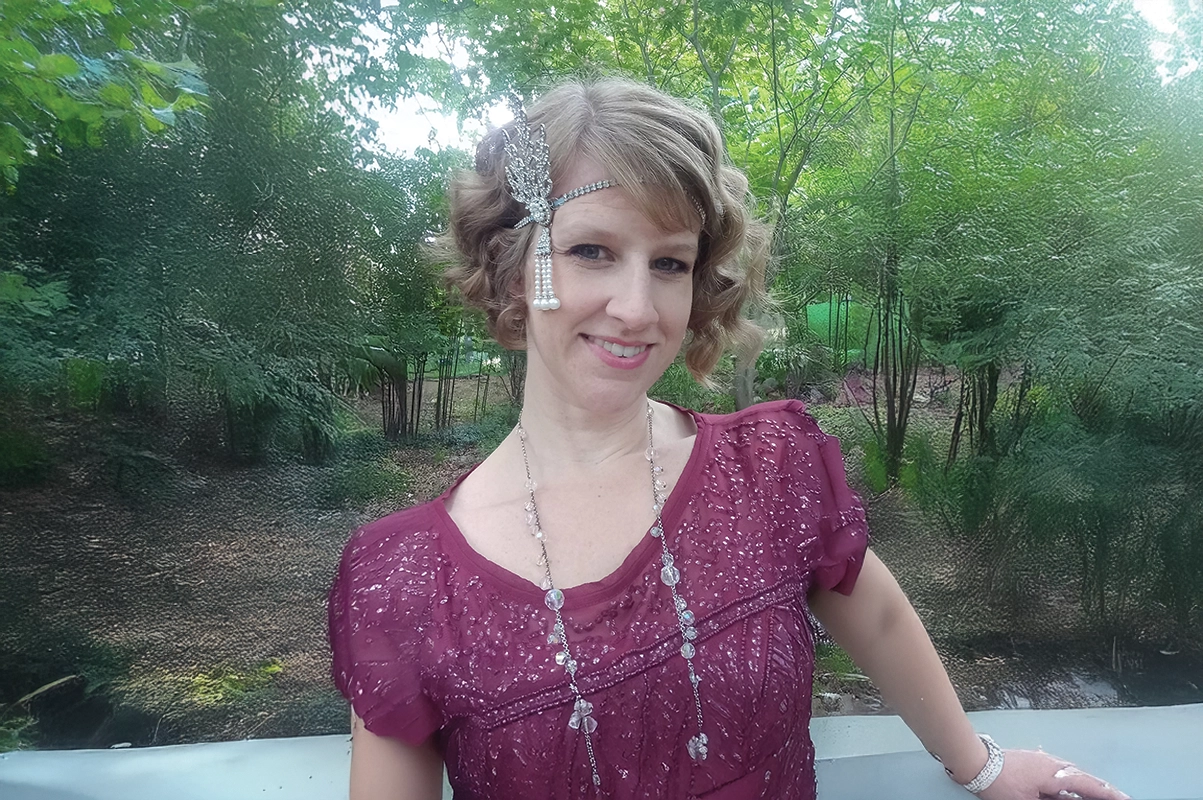
Photo: Roseanna M. White – Award-winning author and masterful storyteller, bringing history, love, and faith together in unforgettable tales.
Secrets Of Engaging Historical Fiction
This interview takes you inside Roseanna M. White’s world, where history, romance, and faith coalesce into acclaimed novels. Discover her creative process, inspiration, and love for uncovering untold stories of the past.
R oseanna M. White enchants readers with her spellbinding historical romances, blending faith, love, and history into unforgettable narratives. An immensely talented Christy Award-winning author, White’s diverse range of works sprawls across continents and pivotal moments in history, immersing readers in tales of love, courage, and faith set against the backdrop of espionage, war, and societal transformation. A gifted storyteller who has mastered the art of crafting compelling characters, she highlights the untold stories of extraordinary women in history, breathing life into the forgotten corners of the past.
In this delightful interview, White shares her passion for storytelling, her meticulous research process, and her ability to weave romance, history, and faith into tales that captivate and inspire. Her novels are a testament to her belief in hope, humour, and the beauty of human connection, making her a true luminary in the realm of Christian historical fiction.
Roseanna White crafts heartfelt, inspiring stories with masterful character development, vibrant historical research, and uplifting faith-based messages that breathe life into history’s hidden corners.
What inspired you to become an author and what motivates you to continue writing?
I like to say that “words are the air I breathe.” As long as I can remember, story has been what most intrigued me, from playing make-believe to penning my first, ahem, brilliant works of fiction about bunnies and princesses and unicorns in primary school. As I grew up, writing became the way I processed life, history, and the world. I’m happiest when I have time each day to be creative—and writing remains my favorite creative outlet.
How do you conduct research for your historical novels to ensure accuracy and authenticity?
While most of it is a very simple answer—I read a lot of research books—that’s only part of the equation. I also watch a lot of documentaries, follow a lot of bunny-trails online, watch YouTube tours of places I’ve never been, and also read books that were written in the time period and place I’m writing about—because nothing gives a better insight into a particular society than the literature that society produced!
“Laughter is a powerful gift—I always enjoy adding comedic relief with witty banter.” – Roseanna M. White
Your novels often feature strong female characters, what draws you to writing about women in history?
I think what intrigues me here is that so often women’s stories remained untold. We know the big power-moves that the men in charge made…but what about the wives and daughters and sweethearts that undoubtedly had a profound impact on them? And the more I learn about fascinating tidbits in history, the more I find those women in the margins, waiting to leap onto the page and tell their stories. Some are based on real women who did amazing but often overlooked things…some are pure imagination on my part. But all are meant to remind us today that no matter how invisible we might feel, we are making a difference.
Can you tell us about your writing process, do you have a set routine or do you write as the inspiration takes you?
Most of my writing these days happens in big chunks of time. I’m juggling a lot of projects a year (six to eight manuscripts due of my own, plus my freelance book design business, plus running a small press with my husband), so I’ll set aside whole weeks reserved for nothing but writing. During those weeks, I snooze a lot of emails, eat a lot of simple meals, and ignore a lot of laundry so that I can do nothing but write. My goal is to hit 10,000 words a day during those weeks, which allows me to write about half a book in a 5-day work week. Two of those, and a full-length novel is done. During a “normal” work week, I usually aim to put down 2,000 words a day in whatever project I’m working on, usually to get myself on firm footing before one of those marathon sessions.
“I aim to show how putting our hand into God’s can pull us from the dark back to the light.” – Roseanna M. White
How do you balance writing about difficult topics, such as war and oppression, with the need to create a compelling and engaging narrative?
One of my “tricks,” if you can call it that, is that I write a lot of war stories…that don’t actually have a war in them. My characters tend to be on the homefront or in an intelligence office, rarely caught up in actual battle. Because my focus isn’t the war—it’s the effect of war on people. Humanity, in all our ugliness and beauty, is always my focus.
I also make sure there’s hope in everything I write. Sometimes it’s a physical redemption, sometimes it’s a spiritual one. Sometimes it’s found family, sometimes it’s rediscovering a lost love.
And of course, humor. Never underestimate the power of laughter! I love having comedic relief through witty dialogue and banter, and sometimes a character likes to steal the stage with his or her comedic timing.
Your novels often blend elements of romance, history, and faith, how do you weave these threads together to create a cohesive story?
I have always loved romances and happily-ever-afters, so when a story comes to me, it’s always within that framework—how can this person find love through this fascinating bit of history? I love to examine that bit of history that has intrigued me, turn it this way and that, and decide what people would best tell the story. My books are all character-driven, so while it’s often a historical event that inspires me, it’s the two main characters who propel everything as I ask myself “How do I take them from who they are at the beginning to who they need to be to win the day at the end?”
And that answer always includes faith too. Faith is such a huge part of my life that I can’t imagine writing stories that don’t weave it in—but I always, always aim for it to be an organic part of the story. I have no interest in preaching. But I have a huge interest in showing how putting our hand into God’s helps pull us through the dark times and back into the light.
“Humanity, with all its beauty and flaws, remains my focus.” – Roseanna M. White
What role do you think historical fiction plays in helping readers understand and connect with the past?
I absolutely love historical fiction not only because it adds the human aspect into what might be a list of dry facts that some people think of when they hear the word “history,” turning it into a story that brings our shared past to life…but also because through that “slant,” we can understand our own times better. Because nothing today is new, but we’re often so caught up in our own politics or opinions that we can’t actually understand the nuance of other people’s stories. Through historical fiction, however, we can tackle those same issues but in a whole new setting. And when we do that, our hearts as readers open up in new ways.
What advice would you give to aspiring authors who are looking to break into the historical fiction genre, particularly in terms of crafting compelling characters and plots?
Be an armchair archaeologist and dig into the past that interests you, learning more and more—as you do, stories will keep jumping out at you. Be realistic, but also know that story is king, and sometimes you’re going to have to toss out facts in favor of story—which is fine, as long as it’s still believable and fits the general framework of the history in question. And most of all, dig deep into the hearts of your characters and explore that history through their senses. That’s what will bring it to life for your readers.