
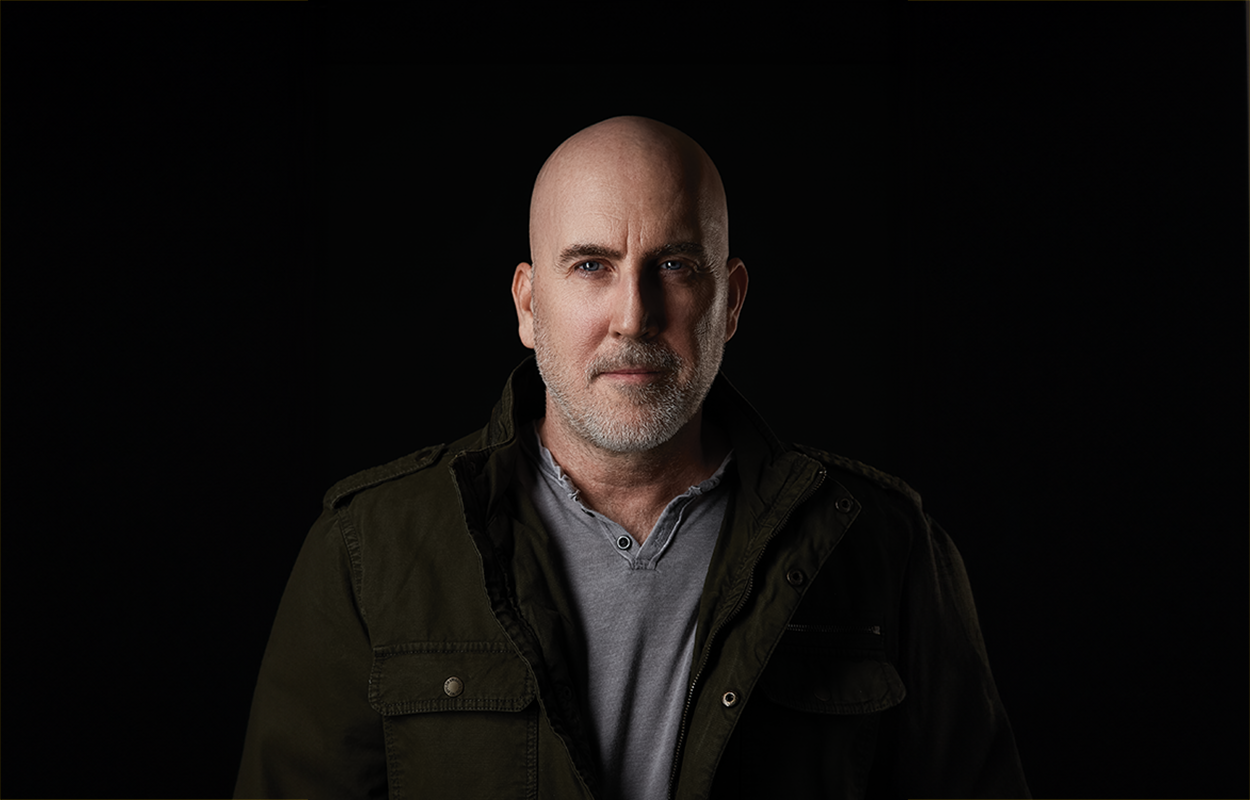
D.J. Williams, bestselling thriller author, storyteller, and filmmaker, brings cinematic vision and international intrigue to every page.
The Most Dangerous Secrets Are Hidden in Plain Sight
D.J. Williams discusses global influences, cinematic storytelling, Chase Hardeman’s creation, crafting authentic suspense, and the persistence, discipline, and creativity required to build a successful writing career.
D .J. Williams stands among the most compelling voices in contemporary thriller fiction, bringing together cinematic storytelling, international intrigue, and deeply human characters with remarkable skill. His novels transport readers into a world where danger, conspiracy, and moral complexity converge, creating stories that are as emotionally engaging as they are relentlessly suspenseful. Drawing upon a lifetime of global experiences and an exceptional career in television production, Williams crafts narratives that possess both authenticity and breathtaking scope, earning him widespread acclaim from readers and critics alike.
Best known for the gripping Chase Hardeman thriller series and the acclaimed Beacon Hill trilogy, Williams has established himself as a master of intelligent, fast-paced fiction that never sacrifices emotional depth for spectacle. His ability to weave geopolitical tension, compelling character development, and vividly realised international settings has positioned his work alongside the finest in the genre. With bestselling titles, prestigious industry recognition, and an unwavering commitment to storytelling excellence, he continues to captivate audiences across the world. His forthcoming nonfiction work, Art of the Margins: Unearthing Your Creativity in Obscurity, further demonstrates the breadth of his creative vision and his passion for inspiring others.
D.J. Williams is a masterful storyteller whose intelligent thrillers combine gripping action, emotional depth, authentic characters, and remarkable global vision.
In this conversation, D.J. Williams reflects on the formative experiences that shaped his imagination, the inspirations behind his unforgettable protagonist Chase Hardeman, and the creative process that brings his thrilling adventures to life. He also shares thoughtful insights into perseverance, craftsmanship, and the enduring value of pursuing one’s creative calling. This interview offers an engaging glimpse into the mind of a gifted storyteller whose work continues to redefine the modern international thriller.
Growing up in Hong Kong and travelling across places such as the Amazon and Africa must have been extraordinary experiences. How have these global adventures influenced the settings and themes in your novels?
Growing up in Hong Kong shaped the way I see story. It’s such a layered, cinematic city, and living there gave me an early love for movement, mystery, and cultures colliding. There was always a sense that multiple worlds were meeting at once, and that naturally gave me a love for stories with scale, atmosphere, and tension. Later, traveling through places like the Amazon and Africa expanded that even more. Those experiences gave me a firsthand sense of beauty, danger, wonder, and depth, and all of that has influenced the settings and themes in my novels. I’m drawn to stories that feel global in scope but personal at heart, where setting is not just background but part of the emotion and pressure of the story.
“I’m drawn to stories that feel global in scope but personal at heart.”
– D.J. Williams
What originally inspired you to write international thrillers and suspense stories?
I’ve always loved stories with momentum—stories that move, carry real stakes, and pull readers into a bigger world. I was deeply influenced by thriller authors like Daniel Silva, Brad Thor, Robert Ludlum, Tom Clancy, Vince Flynn, and Lee Child, writers who know how to blend action, suspense, geopolitics, and high-stakes tension in a way that keeps you turning pages. What drew me in was not only the danger, but the scale—the sense that one decision, one hidden truth, or one wrong move could change everything. Writing international thrillers felt like a natural fit for me, especially with my own background shaped by travel, cross-cultural experiences, and a fascination with danger, power, and hidden agendas on a global stage.
Your protagonist Chase Hardeman is a former special operations veteran drawn back into dangerous missions. How did you develop his character and background?
I wanted Chase to feel lethal when he needs to be, but never larger than life. He’s grounded, disciplined, scarred, and shaped by a strong internal code. I have tremendous respect for those who serve in the military, and that influenced how I built his background—the skill, the sacrifice, and the quiet cost that often follows that life. I didn’t want him to feel like a fantasy version of a warrior. I wanted him to feel human, capable, and tested. At the same time, I was inspired by a friend at the top of the high-end classic car auction world and became fascinated by the idea of those two very different worlds colliding. That tension helped shape Chase and the kind of world he would be forced to navigate.
The Chase Hardeman series blends espionage, conspiracy, and political intrigue. What kind of research do you undertake to create such realistic scenarios?
I’m not the kind of writer who front-loads a huge amount of research before I begin. Most of the time, I follow where Chase leads me and research what I need as the story takes shape. I like that approach because it keeps the story alive and lets discovery happen as I write. I do keep up with world events, which helps me stay connected to the tension, uncertainty, and high-stakes reality that fuel a thriller. I’m always interested in how power moves, how secrets are protected, and how quickly truth can be distorted. More than anything, I want the characters to feel alive and the plot to keep readers guessing.
Many readers compare the tone of your work to authors like Tom Clancy and Lee Child. Were these writers an influence on your storytelling style?
I definitely respect both of them. Tom Clancy had an incredible ability to build large-scale tension, and Lee Child really understands pace and character. I’ve been influenced by storytellers in fiction, film, and television, but my goal has always been to write stories that feel cinematic, intelligent, and emotionally charged. I want readers to feel the scale of the danger, but also the personal cost inside it. So those comparisons mean a lot.
In The Auctioneer, the collector car auction world becomes part of a global conspiracy. What inspired you to integrate such a unique industry into a thriller plot?
I’d already been inspired by a friend at the top of the high-end classic car auction world, so that environment stayed with me. It’s a world of wealth, rarity, status, and obsession—beautiful and polished on the surface, but with real intensity underneath. I became especially interested in the undercurrent of the auction world, where high stakes bring out ambition, secrecy, and the willingness to push limits to possess what matters most. There’s something powerful about desire in that environment—what people will chase, what they will pay, and what they may be willing to risk to win. Once I put Chase Hardeman into that world, the story found its engine.
Your stories often feature international settings and high-stakes adventures. How do you approach building tension and pacing to keep readers engaged throughout the story?
For me, tension starts with stakes. Readers need to understand what can be lost and why it matters. From there, I build a rhythm of danger, discovery, and escalation. I want each chapter to leave readers with a reason to keep going—whether that’s a twist, a reveal, or a new threat. I also think suspense works best when not every moment is loud. Sometimes the quietest scenes carry the most tension because the reader can feel something coming.
What advice would you give writers who want to create compelling thrillers filled with suspense and believable action?
Start with character. Readers need to care about the person in danger before the action means anything. Then keep raising the stakes in believable ways. With action scenes, clarity matters. With suspense, restraint matters. Sometimes what readers sense coming is more powerful than what they can already see. The best thrillers are not just fast—they’re emotionally loaded.
How important is persistence and discipline when building a long-term career as an author?
They’re essential. Writing is a long game, and careers are built over time. There are exciting seasons, but there are also quiet seasons where you simply have to keep showing up. Discipline keeps you moving. Persistence keeps you going when the outcome still isn’t clear. A lot of the real work of becoming a writer happens in those unseen seasons.
What writing tips would you share with aspiring authors who are hoping to improve their craft and storytelling skills?
Read widely, write consistently, and don’t be afraid of revision. That’s where much of the real writing happens. Study what makes scenes move, what makes dialogue work, and what gives characters depth. Stay curious. Strong storytelling often comes from noticing what other people miss. The more you learn to observe, the more you’ll have to draw from on the page.
What overall advice would you offer to aspiring writers who dream of publishing their work and reaching a wider audience?
Write the story only you can write, and keep improving your craft. Learn the business side, be open to feedback, and stay patient with the process. Publishing rarely happens overnight, but steady growth matters. A lot of the most important work happens in the unseen seasons. Very often, that’s where your voice is being forged.