
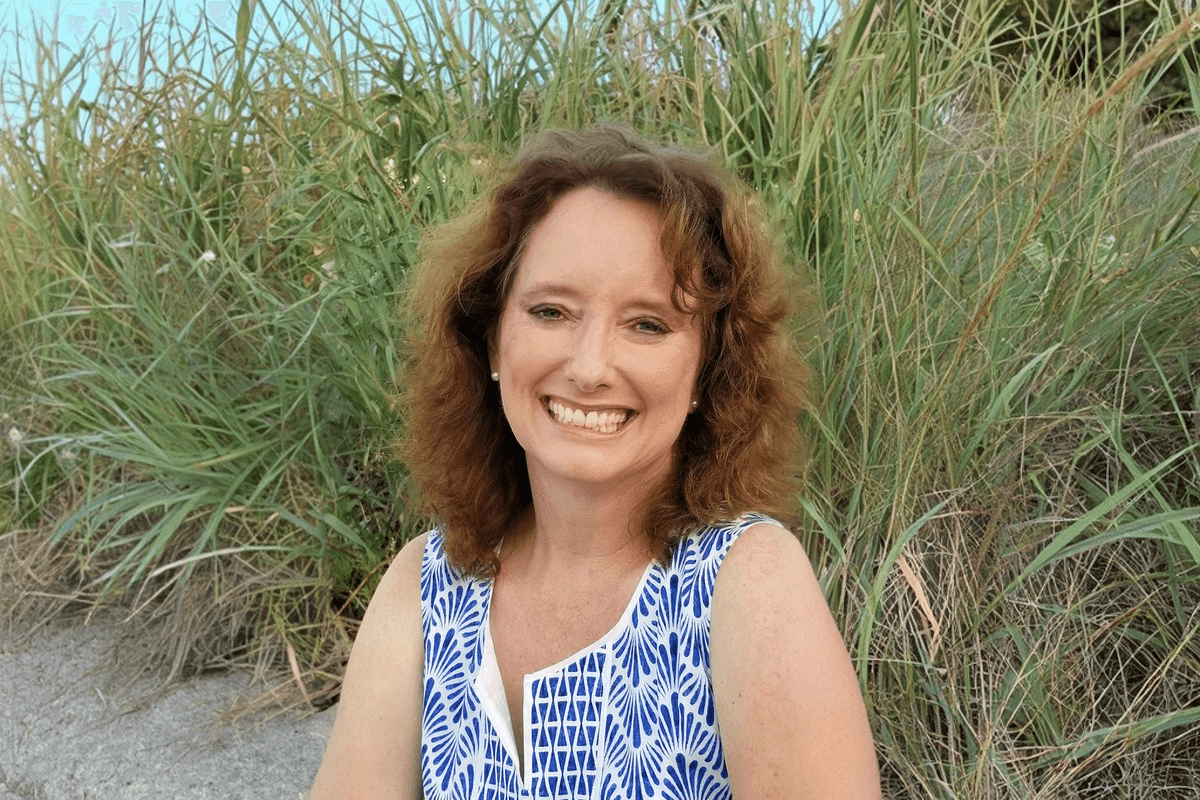
PHOTO: Christina Sinisi, author of uplifting Christian contemporary romance novels, blending relatable human experiences with heartfelt faith-driven themes.
Exploring Life, Loss, And Grace Through Christian Contemporary Romance
Christina Sinisi discusses her journey to writing Christian contemporary romance, her vivid settings, relatable characters, and how she balances faith, love, and emotional growth in her heartfelt novels.
Christina Sinisi’s heartfelt novels offer readers a glimpse into lives touched by faith, resilience, and the transformative power of love. As a professor of psychology and devoted Christian, Sinisi crafts stories that delve into some of life’s most universal yet deeply personal challenges—grief, forgiveness, and self-discovery. Her Sweet Summer and Christmas on Ocracoke invite readers into richly rendered Southern settings, where beauty is juxtaposed with emotional turbulence, and hope is found amidst trials.
With her blend of clean romance, Christian values, and nuanced storytelling, Sinisi does more than entertain. Her protagonists, like Shelby Marano and Annie Hanahan, are tangible and imperfect, making their journeys deeply relatable. From wrestling with grief to learning to forgive, their struggles weave faith into the fabric of everyday life, reminding readers of its quiet yet profound presence in moments of despair and joy. Sinisi’s characters evolve not only through love but through their connection to God, growing into stronger, more grace-filled versions of themselves.
Inspired by her surroundings in South Carolina and the serene beauty of the Outer Banks, Sinisi evokes locations that feel both intimate and inviting. Her descriptions honour the essence of these places, whether drawing from her own experiences or the lingering impact of events such as Hurricane Dorian. Her ability to transform real-world environments into vibrant backdrops enhances her storytelling, grounding her characters in spaces that feel achingly alive.
Through her work, Christina Sinisi not only writes stories but offers gentle invitations to reflect—on faith, forgiveness, and recognising the humanity in ourselves and others. Whether you’re seeking a sweet, uplifting love story or a narrative exploring life’s deeper questions, her books provide a refreshing and meaningful experience.
What inspired you to write Christian contemporary romance novels and how do you incorporate your faith into your writing?
First, thank you for having me. In reference to my inspiration, I was writing fantasy and not getting too far when my mentor asked me, “why aren’t you writing inspirational romance”? My faith is so important to me, and I can’t explain why I wasn’t writing in this genre before. Just that little nudge and I found my writing home.
How do you develop the characters in your novels, such as Shelby Marano and Annie Hanahan, to make them relatable and endearing to readers?
Characters seem to come to me fully formed. I see them in my head as real people, physical characteristics and all. I will say that Shelby’s appearance is based on a student—I’m a psychology professor. I see my characters acting as if in a movie and write what I envision.
Your novels often feature strong female protagonists, what do you hope readers take away from their stories and journeys?
Thank you. I hope each character inspires a different takeaway. For the Summer Creek series, each sister experiences grief in her own way. As a teacher and just by experience, I have learned first-hand that every individual goes through life in a unique way and we need not predetermine how long or in what way one “should” grieve. In the Outer Banks series, forgiveness is a key lesson—of other people and ourselves. In the end, I just want to help us all become better followers of Christ, and the best versions of ourselves that we can achieve given our imperfections.
The settings in your novels, such as Ocracoke Island and Summer Creek, South Carolina, are vivid and immersive, how do you choose these locations and research them?
I live in Goose Creek, South Carolina—near another town called Summerville—so Summer Creek is a combination of the two. My sister owns a vacation home on the tip of Hatteras Island in the Outer Banks. I wrote Christmas on Ocracoke because I was so struck by the damage caused by Hurricane Dorian on Ocracoke Island. The Outer Banks are beautiful—and travelling to Ocracoke by ferry takes you into another world. In other words, I experience the places and then the stories arrive.
How do you balance the romance and suspense elements in your novels to keep readers engaged and invested in the story?
I’m still learning! I do storyboard my plot ahead of time so that helps. When I storyboard, I have different colours for the romance thread, the faith thread, and the overarching plot (which may be suspense or could be dealing with a mental health issue, etc.) Looking at the storyboard, I can tell if one of the threads is lacking and needs more attention. I highly recommend Alex Sokoloff’s website for more information on plotting and storyboarding.
What role do you think faith plays in your characters’ lives and how do you portray this in your writing?
Faith weaves itself in every aspect of our lives if we allow it. My characters reflect my own faith—by the end of the story. We may start off as non-believers or believers in name only, but hard things happen and we hopefully turn to God. Or maybe we don’t—and the things we do turn to instead—alcohol, work, even our love interests—don’t fill that God-shaped hole. I start off the stories by considering where each character is on his or her journey and where they need to go. The faith journey has its own character arc.
Can you tell us about your writing process, from initial idea to publication, and how you stay motivated and focused?
Ideas come to me from anywhere and everywhere. A story may start from a dream I’ve had or a newspaper story I’ve read or a place that impacts me. I then create a storyboard for the plot. As mentioned above, I add a plot thread for the faith journey. I also use Debra Dixon’s GMC: Goal, Motivation, and Conflict to create charts for each character. I add an extra column, though, for each of the main characters’ (and maybe some secondary characters’) personality quirks. Each person, as in real life, is unique in some way. Once I’ve got a good handle on the story outline, I write. I don’t always look at the storyboard. If things are flowing, I just write. Characters do change the story—life doesn’t always follow expectations, so why should fiction?
I stay motivated and focused by setting page goals. Then, if I don’t meet them, I’m kind to myself and try again. My day job is intense sometimes and I haven’t written fiction for the last few weeks. As soon as I can, though, I will be back at it—because I love to write.
What advice would you give to aspiring authors who are looking to write Christian contemporary romance novels and get published, and what do you wish you had known when you first started out?
Write because you love it. You can’t let the publishing process define you because personal taste is so critical. One editor doesn’t even read your manuscript because the word count is too low. Another isn’t looking for pure romance and prefers action. Rejection is part of the game, but our identity is in Christ, our families, our churches, and so much more. In today’s world, there is always the option of self-publishing, just please have an editor comb through your work for errors. Let me finish by ending where I began—write because you love it. If you touch one person’s life, that’s all you need.