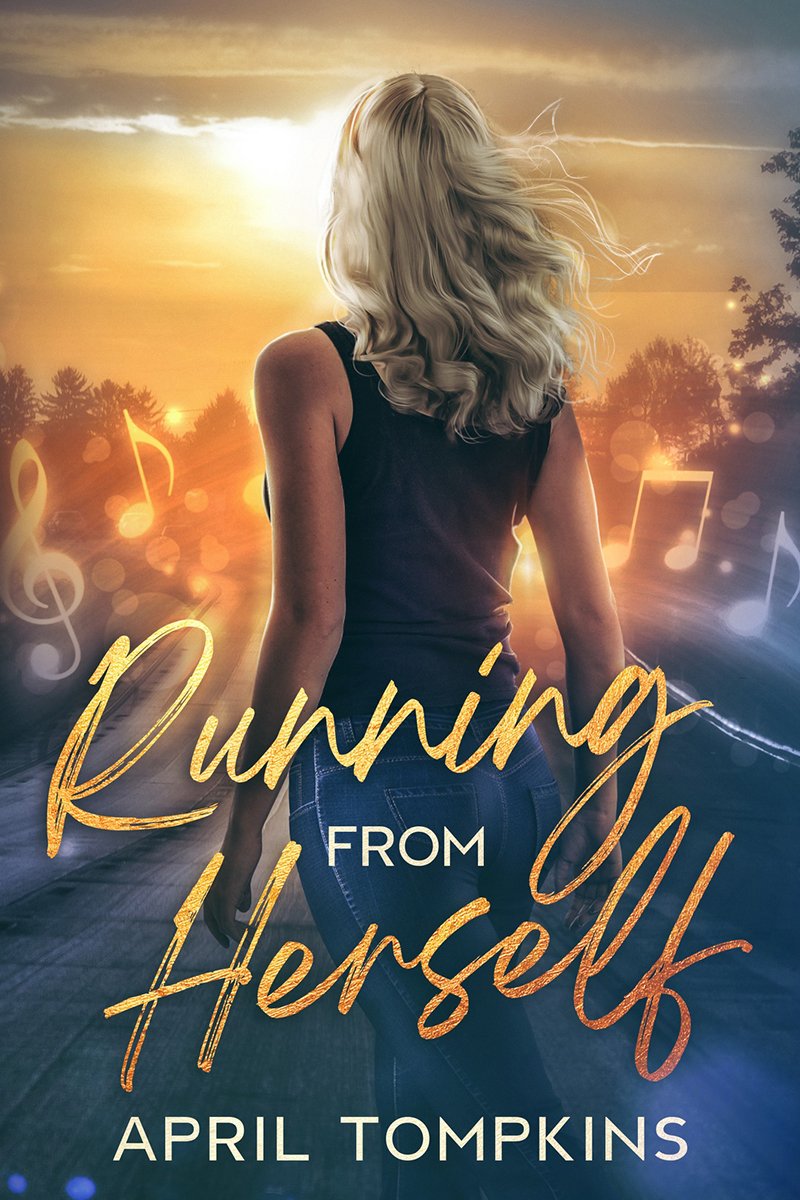
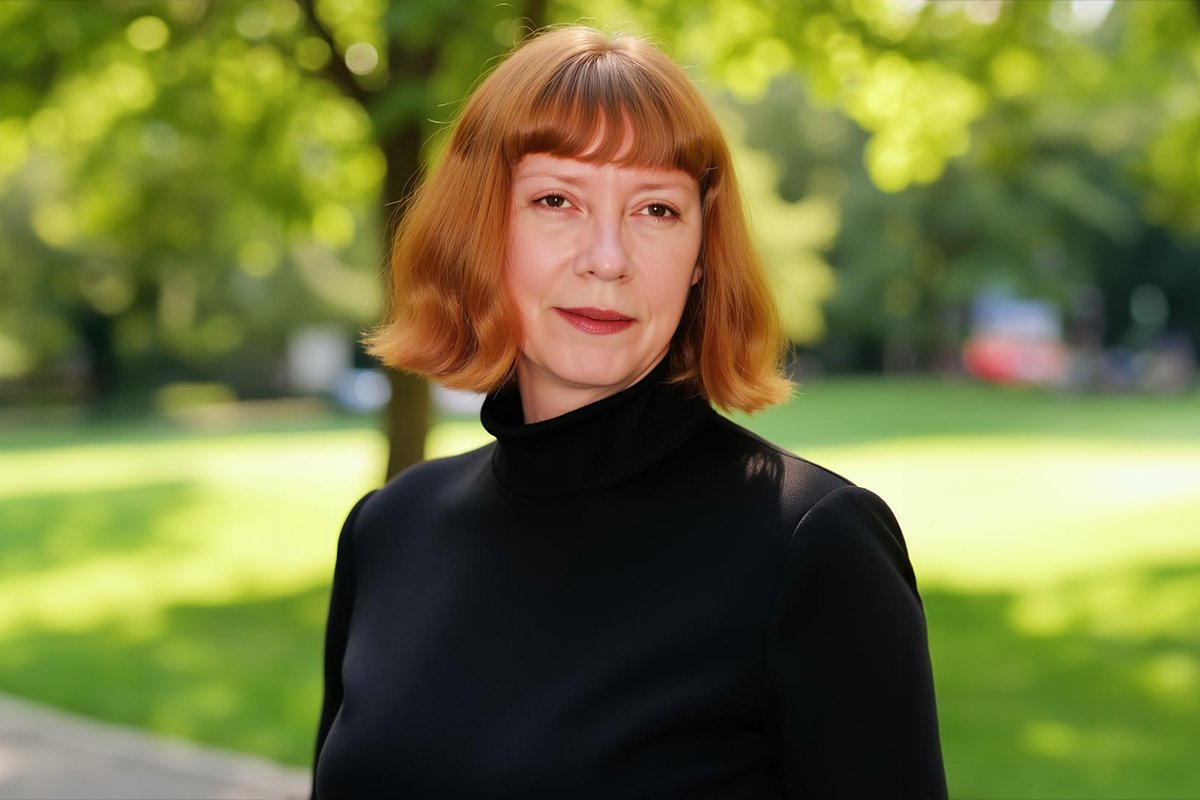
Photo: April Tompkins, acclaimed author and songwriter, shares her artistic journey and insights into blending music and literature.
Writing Women’s Stories With Emotion And Depth
Award-winning author and songwriter April Tompkins discusses her creative inspirations, emotional storytelling, and the interplay of music and writing, alongside valuable insights on crafting character-driven women’s fiction.
April Tompkins is nothing short of an artistic virtuoso, seamlessly blending the worlds of music and literature with her innate creativity and profound insight into the human condition. Known for her compelling contemporary and women’s fiction, April has graced the literary world with eleven deeply resonant works, each offering a blend of authenticity, emotional rawness, and narrative charm. Her ability to craft relatable protagonists and evocative settings rooted in the quirks and rhythms of small-town life is a testament to her skill as a storyteller.
Beyond the written word, April’s talents extend into the realm of music, as an accomplished songwriter and singer with a loyal following. Her independent music, celebrated for both its depth and reach, has enthralled thousands of listeners, while her long-running music blog serves as another avenue through which she shares her thoughtful reflections. Her duality as both a creator of fiction and music enriches her storytelling, infusing her novels with layers of emotional depth and rhythmic fluidity.
As someone who writes without rigid structures, April embraces the spontaneity of character-driven narratives with a remarkable ease, allowing her protagonists to carve their own paths through intricate plots that keep readers thoroughly engaged. Her latest novel, Running From Herself, exemplifies this approach, offering readers a poignant exploration of creativity, ambition, and the complexities of chasing dreams. Leah, the protagonist, mirrors April’s own connection to music, bridging the gap between reality and fiction in delightfully unexpected ways.
An exceptional storyteller and songwriter, April Tompkins crafts emotionally profound tales and creative narratives that resonate deeply with her audience.
Throughout the following interview, April shares her creative process, her passion for research, and the lessons she’s learned from her journey as both an author and a songwriter. Her insights are inspiring, her authenticity undeniable, and her works a masterclass in storytelling enriched with a personal touch. Readers and writers alike will find much to admire—and learn—in the words of this multi-talented artist.
What was the initial spark or idea that led you to start writing your current novel?
I always start my stories with a protagonist who’s facing a crossroads. With Running From Herself, Leah is a local band singer who’s been trying to break into the big time for more than a decade, but now her hopes have finally faded. When her band breaks up, she’s actually relieved to be tucking that dream away. I am an indie songwriter and singer, but I strangely never wrote a main character who was involved with music. When Leah gets her unexpected break, I knew that I wanted her to confront both the harsh realities of the music business and the joys of creativity. Writing her story allowed me to explore how those two sides interact and often clash.
How do you choose or develop the settings in your stories, and what role do they play in shaping your characters?
I am from the Upper Midwest, so I write what I know. I love setting my stories in small towns, which often become a character in themselves. I’m fond of the quirky folks who inhabit those towns and how they’ll accept a newcomer, often becoming her found family.
As someone who composes songs as well as stories, how does your musical background influence your fiction writing?
There are so many differences between songwriting and fiction writing. With a song, the writer needs to touch the listener using very few words, which obviously doesn’t work when writing a novel. But writing songs did teach me discipline and the importance of getting to the heart of the matter. And speaking of heart, songs are pure emotion, which fits my genre perfectly. I’m pretty good at portraying heartbreak and loneliness.
You describe yourself as a “pantser” or discovery writer — how do you manage plot coherence while writing with less planning?
To be honest, if I planned out my stories before I started writing them, I wouldn’t write at all. The fun for me is in finding out what happens next. That’s led me down some very strange roads, like my main character in Shadow Song literally stumbling across her boss’s dead body in the woods. Plot coherence has never been a problem for me. I simply advance to whatever the most logical (in my mind) next step should be.
When a character surprises you in the writing process, how do you respond — do you let them lead the story, or steer them back to your original vision?
Oh, I definitely let them lead the story. My main characters all share the impulsivity gene, which causes them to not necessarily act in their own best interests, but I’m sometimes amazed at how they seem to find their way out of the messes they’ve created for themselves.
What kind of research (emotional, historical, technical) do you do to ground your narratives in realism?
I’ve researched some very odd things. Writers joke that if the authorities examined their online search history, they’d probably come under intense scrutiny. For my various plots, I’ve researched arson and rigor mortis, as well as more lighthearted topics, such as how to do various remodeling tasks, which I needed to learn about for Inn Dreams. I’ve also gone down the rabbit hole of researching early ferris wheels, and the most tedious of all, pylon signs (tall signs that tower over the landscape), which weren’t even a big plot point, but I needed to write about them with at least a hint of authority. I think I’d be great at some kind of “useless trivia” game.
How do you balance tension and pacing with the quieter, introspective moments in your novels?
Generally, it’s within those quiet, introspective moments that something happens to jar my main character out of her introspection. My genre lends itself to self-reflection to a point, but a good story needs things to happen.
Which of your characters (past or present) is closest to your own voice or experience, and in what ways do you distance yourself from them?
All my characters are part of me, at least in terms of worldview, but as it relates to life experience, I would have to say Leah in Running From Herself. She even writes songs, albeit with some help from me.
What has been the most rewarding feedback or reaction from readers about your work, and has it ever shifted how you approach writing?
An author is told to never read reviews, but that temptation is hard to resist. I definitely learn more from critiques than from pats on the back. With a couple of my novellas, readers were hoping for a more in-depth story, and I took that to heart, deliberately adding more “meat” to subsequent plots. Ironically, that led to writing Running From Herself, which is the longest work I’ve written to date, and no one has complained that it’s lacking in depth!
For other authors who wish to write with authenticity and emotional depth, especially in women’s fiction or character-driven stories, what advice would you give them about finding their voice and sustaining creativity?
I don’t know that one can teach others how to find their voice. The more one writes, the more that voice reveals itself. A writer’s voice is unique, or should be. Learn from good writers, but don’t copy them! Voice is what makes reading such a lovely experience.
EDITOR’S CHOICE
An inspiring and heartfelt tale of love, identity, and self-discovery that grips you from the first page to the last.