
When the Monster Hunter Comes Home
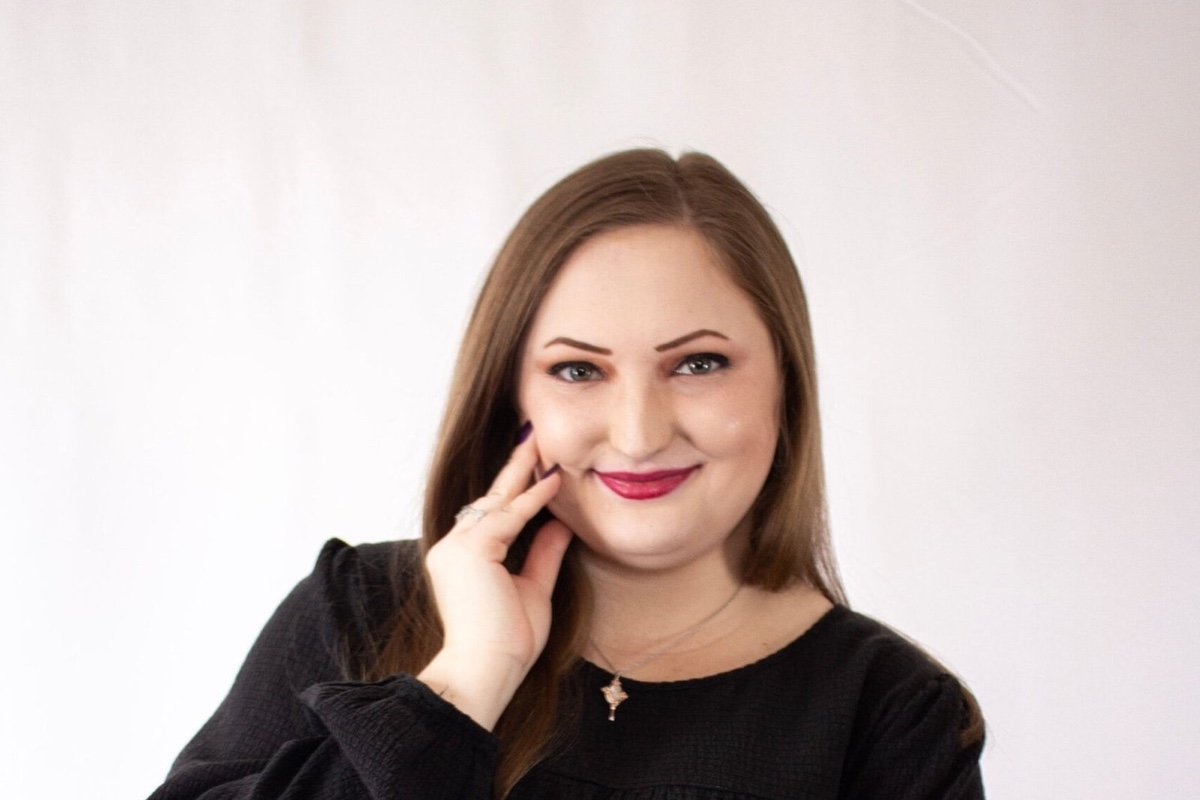
The Ohio-based novelist talks about the Appalachian stories she grew up with, the romance that made her want to write and the courage it took to begin Taken.
When Jace comes home injured, the person Abby Farnsworth wants us to watch is his wife. Annie knew she was marrying into a family of creature hunters. Now they have a daughter, and waiting at home for news of her husband feels like a risk of its own. She wants to learn how to protect herself and her baby. It’s a disagreement many couples will recognise, even if few of them have Jace’s occupation.
Farnsworth grew up in Appalachia listening to stories about what might be waiting in the dark. A copy of Twilight, picked up in middle school, made her want to write a love story of her own. Today she writes paranormal romance and fantasy for young adults and adults. For an example of the chemistry she tries to capture, she points to the 2005 film of Pride and Prejudice and how much two people can convey with barely a touch.
In her conversation with Reader’s House, Farnsworth recalls what made the first pages of Taken so difficult to write, why some of its creatures are best left to the imagination, and how much hope she likes to leave a reader at the end.
What first drew you to writing romances across genres, and which stories or writers have influenced your approach?
I've received this question many times, and my answer will always be the same. I've loved reading since I was a little girl. As a child, I mainly read science fiction, fantasy, and historical fiction. In middle school, I picked up a copy of Twilight, completely oblivious to how popular it was and what it was about. A few chapters in, I was hooked. I began thinking about how cool it would be to write a love story like that. That's where my dream of being an author began.
How do you create palpable chemistry and tension between characters without relying on explicit content?
Like many artists, I take inspiration from my own life. My personal romantic relationships have shown me that you can have intense chemistry with someone and be totally infatuated without even a kiss. I'd say this is something a lot of people have experienced. A good example is the 2005 adaptation of Pride and Prejudice. The two love interests fall head-over-heels in love with barely any physical contact at all. That type of chemistry is what I try to replicate.
What inspired the premise of Taken, particularly the idea of a marriage shaped by a family tradition of hunting supernatural creatures?
I grew up in Appalachia, the setting of Taken. The area is rich in folklore and stories about all sorts of creatures that go bump in the night. I've always found those sorts of stories fascinating, and I think supernatural beings can actually teach us a lot about what it means to be human.
How did you approach Annie’s growing awareness of danger after becoming a mother, and what did you want readers to understand about her determination?
It's a pretty well-known fact that motherhood changes you. It makes you become a much more cautious and protective person, especially when it comes to your children. That's something a lot of readers can relate to, and I wanted them to see themselves in Annie.
How did you balance the intimacy of Annie and Jace’s relationship with the suspense created by his dangerous work?
Every married couple has disagreements. One area of tension is typically how children should be raised. Jace and Annie's marriage is no different. Their love for each other remains present, but it is sometimes overshadowed by the decisions he makes.
What was your process for developing the creatures and threats in Taken while preserving a sense of mystery?
There are a plethora of spooky creatures in folklore. I did a little research to see which ones would fit the setting and story best, but also left a lot up to the reader's imagination.
What was the most challenging aspect of writing Taken, and how did you work through it?
The hardest part for me was starting. I had been wanting to write Taken for a long time, but for personal reasons, it was difficult. Some of the inspiration I drew upon was particularly painful to explore, and it took me a while to become comfortable enough to actually write it.
You aim to write relatable characters and realistic happy endings; how do those goals guide you when a story takes a darker turn?
I try to keep my books semi-realistic. No one gets a completely happy ending, because those don't exist in real life. However, I don't want my books to end in total tragedy, unless they end on a cliffhanger as part of a series. I attempt to at least have them end with a glimmer of hope.
Looking ahead, what themes or genres would you like to explore in future projects?
I'm always going to keep some element of romance in my books. It's one of the most important parts of most people's lives, so it belongs in books that try to reflect reality. I won't give too much away about the new projects I'm working on because I want them to be a surprise, but I'm definitely changing directions.