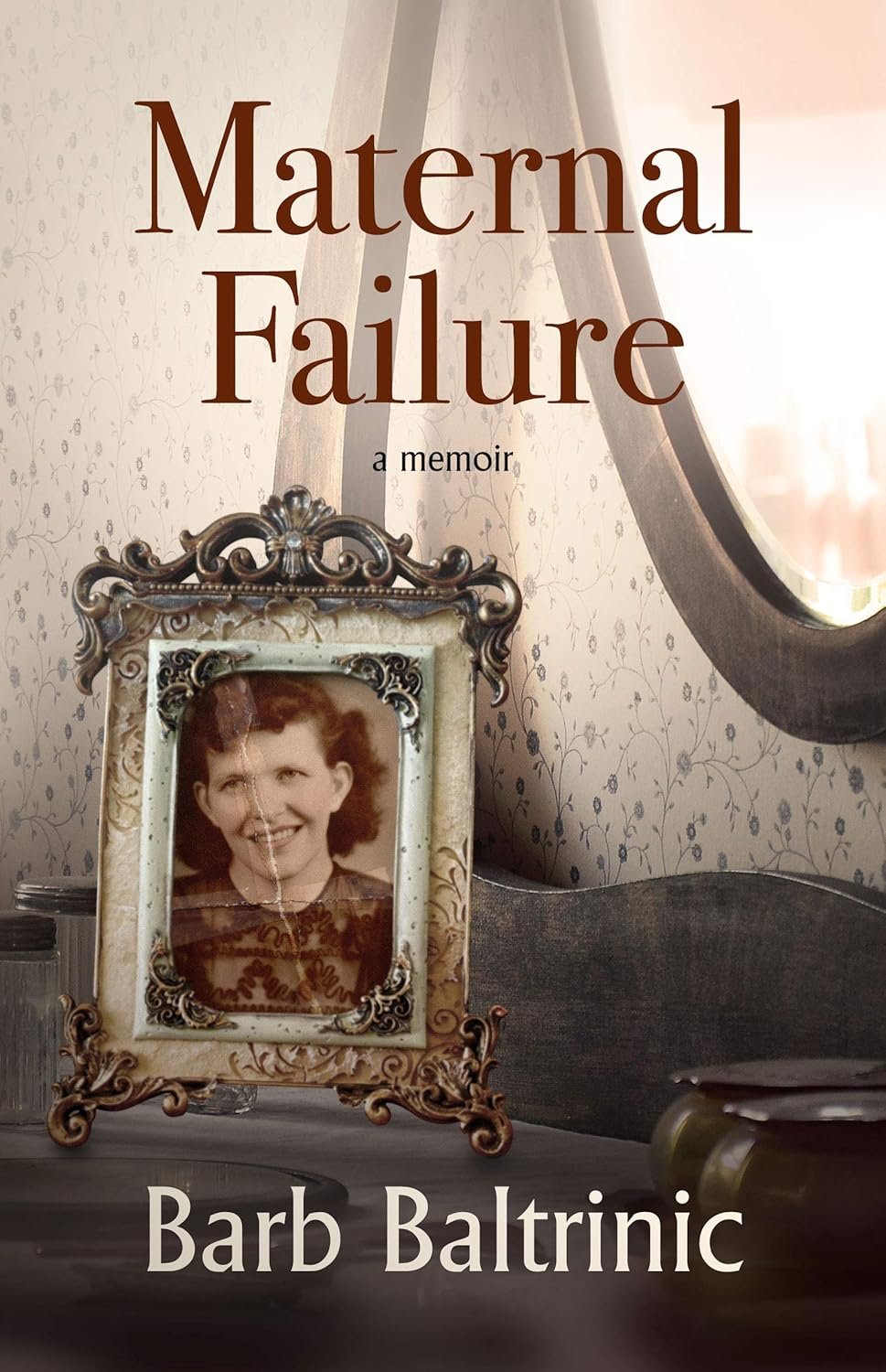
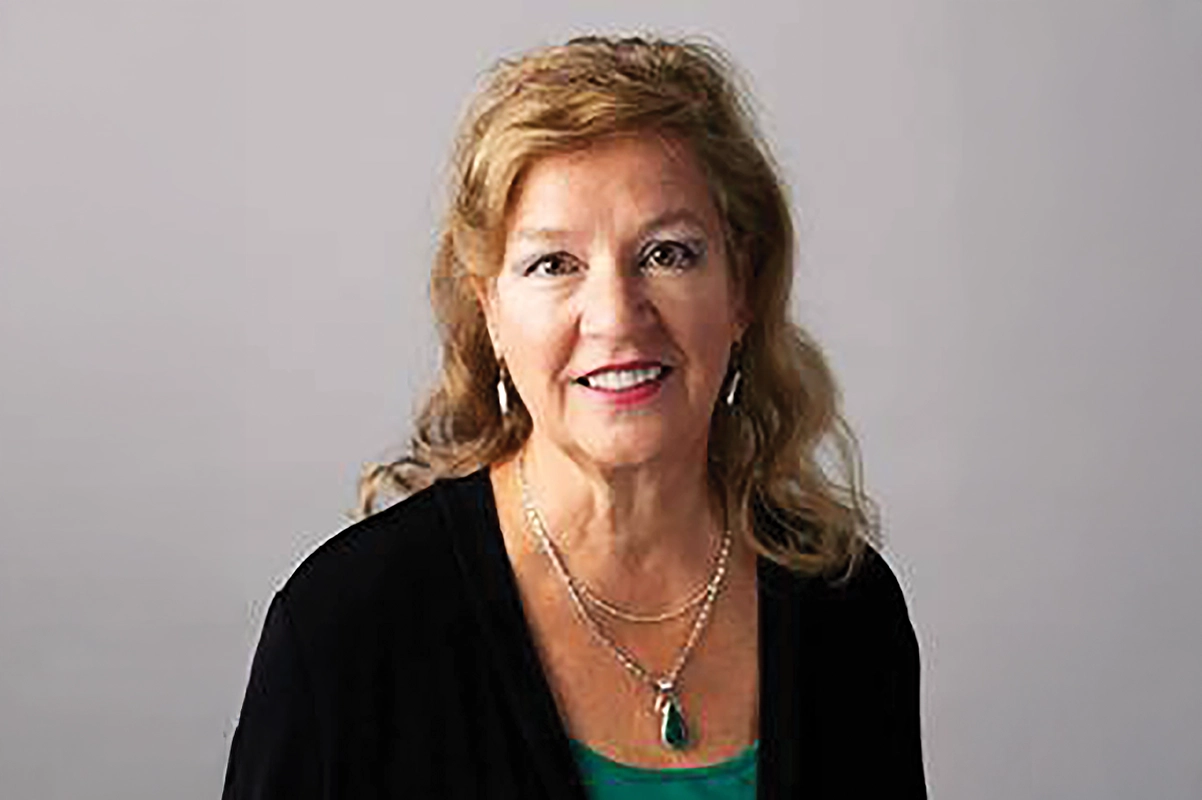
Photo: Barb Baltrinic, acclaimed author, educator, and advocate of resilience, shares her journey of triumph over generational dysfunction and adoption secrets.
An Inspiring Memoir About Adoption, Resilience, and Generational Healing
Barb Baltrinic’s memoir, Maternal Failure, unearths deeply personal secrets, explores generational dysfunction, adoption, and DNA research, and offers readers resilience, healing, and hope while searching for identity, love, and family truths.
B arb Baltrinic emerges as a writer of rare honesty and quiet power, a storyteller whose work is shaped not merely by imagination, but by a life deeply examined and courageously shared. In an age where memoir often skims the surface, Baltrinic ventures further—into the complex terrain of identity, family, and the enduring search for truth. Her voice is both compassionate and unflinching, offering readers not only a narrative, but an experience that resonates long after the final page.
Her memoir, Maternal Failure, stands as a profoundly moving exploration of adoption, generational trauma, and the intricate threads that bind—and sometimes divide—families. What distinguishes Baltrinic’s work is her remarkable ability to balance personal vulnerability with broader social insight. Drawing upon her distinguished career in education, she writes with clarity, structure, and an acute sensitivity to human behaviour, illuminating the “why” behind even the most difficult of choices. Her prose invites reflection rather than judgement, encouraging readers to consider the circumstances that shape lives across generations.
Equally compelling is her versatility as an author. From historically grounded novels to deeply personal memoir, Baltrinic demonstrates a mastery of narrative that bridges genres with ease. Her earlier works, rooted in meticulous research, reveal a deep respect for history, while her memoir transforms lived experience into something universal—an offering of understanding to those who have faced similar questions of belonging and identity.
At its heart, Baltrinic’s writing is an act of reconciliation—between past and present, between pain and healing. It is this authenticity, coupled with her unwavering commitment to truth, that makes her work not only admirable but essential. In the following interview, she reflects on the emotional and intellectual journey behind her writing, offering readers a glimpse into the mind of an author whose story is as compelling as the stories she tells.
Barb Baltrinic is an inspiring author whose deeply personal, empathetic, and resilient writing captures the human spirit’s capacity to heal.
Can you tell us more about your research process when uncovering the secrets your mother kept hidden, and what were some of the most surprising revelations you discovered?
Securing my adoption records, which revealed my bio-father’s name, and two children before my birth; intake papers through the Children’s Service in Cleveland; Ancestry to uncover DNA hints; and interviews with extended family to reveal many secrets, was all time-consuming. I paid for many DNA tests to prove relationships or lack thereof. My most startling revelations were finding that I had two older siblings; the name she had on my birth certificate was not my real bio-father, a fact that I didn’t discover for nearly thirty years; and the many roadblocks I faced in misinformation, which put me on the wrong path of investigation.
Highlights from the interview
- Inspired by a lifelong search for truth about her mother’s past
- Courageously shares deeply personal and emotional experiences
- Broke cycles of generational dysfunction and trauma
- Background in education shaped her analytical and empathetic writing style
- Discovered shocking family secrets through DNA and archival research
- Explores themes of identity, adoption, poverty, and resilience
- Writing became a path to healing and understanding
- Emphasises patience and persistence in uncovering personal history
- Aims to help others navigating adoption and identity struggles
- Blends memoir with historical insight for emotional depth
Your books seem to span multiple genres, from memoir to historical fiction. What draws you to these different genres, and how do you approach writing in each one?
I love historical fiction based on real people and events. My first two novels, A Founder for All, and A Patriot’s Price, were based on research I had done on Abraham Clark, a signer of the Declaration of Independence. My research allowed me to create novels based on historical facts while developing the personalities of my main characters from letters written by Clark and from his son’s imprisonment on the British prison ship the HMS Jersey. With Maternal Failure, my mother and I were the main characters, so less creation was needed. The revelations I learned through my research allowed me to develop my mom’s younger self as a pitiable character caught in the social morality of the 1940s.
“Empathy and compassion for others may be experienced by walking in my shoes.” – Barb Baltrinic
How do you balance your creative writing with your other pursuits, such as decorating and genealogy, and do you find that these hobbies inform your writing in any way?
Time management, note-taking, and research helped me gather information and track my journey. Genealogy has been my interest since I was twelve, and my ability to describe places and people comes from my teaching literature and using elements of decorating to enhance the story with details. My hobbies contributed to my creation of a relatable story.
What do you hope readers take away from your memoir, particularly those who may be searching for answers about their own adoption or family history?
Adoption has always been secretive, as names are redacted from documents, and adoptive parents typically do not know the details. My mother was my bio-mother; however, secrets were hers to keep. Adoptees seek family history and medical information, identity, and understanding to move to forgiveness and personal revelation. When roadblocks, like secrets and lies, are placed in our path, it is not easy to navigate to the truth. Those searching for answers must be patient and persistent in their quest.
“Be patient and persistent in your quest for answers.” – Barb Baltrinic
How do you think your experiences as a teacher and educator have shaped your perspective on the importance of family, history, and identity, and how do you explore these themes in your writing?
Many students lack confidence and self-worth. I understood their pain because I lived it, but I overcame it. My writing explores the “who, and why” of my beginnings and led me to seek resilience, something many of my students would benefit from. I also wanted readers to know the roadblocks I faced and the successful networks that helped me find the answers I sought. Genuinely caring teachers can see when students are confident, motivated, and outgoing, or when they are shy, lacking self-worth, and timid about learning. All students should be encouraged to know themselves: who they are, their background, their strengths, and what makes them unique. Neblett said, “We are the sum total of our experiences.” Family always plays an integral part in who we are, but even bad experiences can shape us for the good.
What advice would you give to fellow authors who are considering writing about their personal experiences or exploring historical themes in their work, and what lessons have you learned throughout your own writing journey that you would like to pass on?
Be prepared to feel the emotions you initially felt when writing about an experience. I could never change my mother. She had a lifetime of secrecy. Her inability to learn to love herself kept her from happiness with a child who only wanted to share her love. My advice for others writing memoirs is that you will face emotional setbacks as you honestly examine your experiences. Be open and honest in your examination of yourself and others you write about in your book. At the end of your writing, you should be able to answer this question: Did you grow from writing your memoir?
EDITOR’S CHOICE
A powerful, deeply moving memoir that beautifully explores identity, forgiveness, and the healing strength found through truth and family discovery.
Maternal Failure is a heartfelt memoir about adoption, family secrets, and emotional healing. Barb Baltrinic honestly explores her difficult relationship with her mother while uncovering hidden truths about her biological father through DNA research. The book combines emotional depth with an engaging investigative journey, ultimately offering hope, forgiveness, and understanding to readers interested in identity, family history, and resilience.